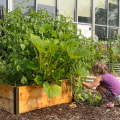
In today's fast-paced world, the concept of low-maintenance gardening has gained significant traction among homeowners and gardening enthusiasts alike. This approach not only simplifies the gardening process but also allows individuals to enjoy the beauty of their outdoor spaces without the burden of constant upkeep. By understanding the principles of garden maintenance that prioritize efficiency and sustainability, anyone can create a thriving garden that requires minimal intervention. The benefits of low-maintenance gardens extend beyond just saving time and effort. These gardens often utilize native plants, which are better adapted to local climates and require less water and care.
Additionally, they can contribute to biodiversity by providing habitats for local wildlife. By designing a garden that embraces these principles, you not only create a visually appealing space but also promote environmental health. As we delve deeper into the strategies for achieving a low-maintenance garden, it becomes clear that thoughtful planning and plant selection are key. From choosing drought-resistant species to implementing efficient irrigation systems, each decision plays a crucial role in reducing the overall maintenance required. Embracing these concepts will empower you to cultivate a garden that not only enhances your property but also aligns with your lifestyle.
Choosing the Right Plants
When designing a low maintenance garden, selecting the right plants is crucial.By choosing plants that thrive in your local climate and require minimal care, you can significantly reduce the time and effort spent on garden maintenance.
Best Plants for Low Maintenance Gardens
Opt for plants that are known for their resilience and low upkeep. Some of the best options include:- Sedums: These succulent plants are drought-resistant and come in various shapes and colors, making them perfect for ground cover.
- Lavender: Not only does it add a lovely fragrance, but lavender is also drought-tolerant and attracts pollinators.
- Daylilies: These hardy perennials bloom beautifully with minimal care, thriving in various soil types.
- Ornamental grasses: Grasses like Blue Fescue or Maiden Grass require little water and provide texture to your garden.
Drought-Resistant Plants
Drought-resistant plants are essential for a low maintenance garden, especially in areas prone to dry spells. These plants have adapted to survive with minimal water, making them ideal for sustainable gardening. Consider incorporating:- Agave: This striking succulent requires very little water and can thrive in poor soil conditions.
- Russian Sage: Known for its silvery foliage and purple flowers, this plant is both drought-tolerant and visually appealing.
- Echinacea (Coneflower): This native wildflower not only attracts butterflies but also withstands dry conditions.
Native Plants for Gardens
Utilizing native plants is another effective strategy for reducing garden maintenance.Native species are adapted to the local environment, requiring less water and fewer fertilizers. They also support local wildlife. Some excellent choices include:
- Black-eyed Susan: A vibrant addition that thrives in various conditions while attracting pollinators.
- Butterfly Weed: This plant not only adds color but also serves as a host for monarch caterpillars.
- Purple Coneflower: Another native favorite that is drought-resistant and easy to care for.
Soil Preparation and Mulching Techniques
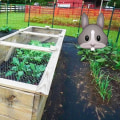
Creating a low-maintenance garden begins with proper soil preparation. Healthy soil is the foundation of any thriving garden, and investing time in its preparation can significantly reduce the amount of maintenance required later.Start by testing your soil to determine its pH and nutrient levels. This will help you understand what amendments are necessary to create an optimal growing environment.Once you have your soil test results, incorporate organic matter such as compost or well-rotted manure. These materials not only improve soil structure but also enhance its nutrient content, promoting healthy plant growth. Additionally, consider using a raised bed system, which can improve drainage and make it easier to manage weeds.
Benefits of Mulching
After preparing your soil, the next step is to apply mulch.Mulching offers numerous benefits that contribute to a low-maintenance garden:
- Weed suppression: A thick layer of mulch can prevent weed seeds from germinating, reducing the need for weeding.
- Moisture retention: Mulch helps retain soil moisture by reducing evaporation, meaning less frequent watering.
- Temperature regulation: It insulates the soil, keeping it cooler in summer and warmer in winter.
- Soil enrichment: Organic mulches break down over time, adding nutrients back into the soil.
Types of Mulch
There are several types of mulch to consider for your garden:- Bark mulch: Ideal for flower beds and around trees, it lasts longer than many other types.
- Straw or hay: Great for vegetable gardens, these materials decompose quickly and enrich the soil.
- Wood chips: Perfect for pathways and garden borders, they provide a rustic look while suppressing weeds.
- Rubber mulch: A long-lasting option made from recycled tires, suitable for play areas but less beneficial for soil health.
Efficient Watering Systems
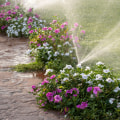
Designing a garden with efficient watering systems is crucial for minimizing maintenance while ensuring that plants receive the necessary hydration. One of the most effective methods is the use of drip irrigation systems, which deliver water directly to the roots of plants. This targeted approach not only conserves water but also reduces the frequency of watering, making it an ideal choice for low-maintenance gardens.Drip irrigation systems consist of a network of tubing and emitters that can be customized to fit the specific needs of your garden layout.By installing a timer, you can automate the watering schedule, ensuring that your plants receive consistent moisture without requiring daily attention.
Watering Techniques for Gardens
In addition to drip irrigation, there are several other watering techniques that can help reduce maintenance:- Soaker Hoses: These porous hoses allow water to seep out slowly along their length, providing even moisture to garden beds without the need for overhead watering.
- Rain Barrels: Collecting rainwater in barrels not only conserves water but also provides a sustainable source for garden irrigation. This method is particularly beneficial during dry spells.
- Mulching: Applying a layer of mulch around plants helps retain soil moisture and reduces the need for frequent watering. Organic mulches also improve soil health as they decompose.
Water Conservation in Gardening
Water conservation is essential in any low-maintenance garden design. Implementing xeriscaping principles, which focus on using drought-resistant plants and minimizing lawn areas, can significantly reduce water usage.Additionally, grouping plants with similar water needs together can optimize irrigation efforts and further decrease maintenance time.By incorporating these efficient watering systems and techniques into your garden design, you can create a beautiful landscape that thrives with minimal upkeep. Not only will this save you time and effort, but it will also contribute to a more sustainable gardening practice.
Designing for Accessibility and Ease of Maintenance
Designing a garden that is both beautiful and low maintenance requires thoughtful planning and strategic choices. Here are some essential garden design tips to create an accessible and easy-to-maintain garden layout.- Choose the Right Plants: Opt for native plants that are well-adapted to your local climate. These plants typically require less water and care, making them ideal for a low maintenance garden.
Additionally, consider perennials over annuals, as they return year after year without the need for replanting.
- Group Plants by Water Needs: Arrange plants with similar watering requirements together. This not only simplifies irrigation but also helps prevent overwatering or underwatering specific plants.
- Incorporate Hardscaping: Use pathways, patios, and other hardscape elements to reduce the amount of lawn or garden area that needs regular upkeep. Materials like gravel or pavers can create attractive walkways that minimize weeding and mowing.
- Design for Accessibility: Ensure that your garden layout allows easy access to all areas. Raised beds can be particularly beneficial for those with mobility issues, as they reduce the need to bend down.
Wide paths between planting areas can also facilitate movement and maintenance tasks.
- Mulch Wisely: Applying a thick layer of mulch around plants can suppress weeds, retain moisture, and improve soil quality. This simple step significantly reduces the time spent on weeding and watering.
Incorporating Hardscaping Elements
Incorporating hardscaping elements into your garden design is a strategic way to reduce garden maintenance while enhancing the overall aesthetic appeal of your outdoor space. Hardscaping refers to the non-plant elements of landscaping, such as patios, walkways, and retaining walls, which can significantly minimize the need for ongoing plant care.Benefits of Hardscaping
- Reduced Watering Needs: Hardscaped areas require no watering, which conserves water and reduces the time spent on irrigation.
- Less Weeding: With fewer plants in the garden, there are fewer weeds to manage, leading to less time spent on maintenance.
- Durability: Hardscaping materials like stone, brick, and concrete are long-lasting and require minimal upkeep compared to traditional plantings.
- Aesthetic Appeal: Well-designed hardscaping can create visually appealing spaces that enhance the beauty of your garden without the need for constant care.
Hardscaping Ideas
- Patios: A patio provides a perfect outdoor living space that can be used for entertaining or relaxation.
Choose materials that complement your home’s architecture.
- Walkways: Create paths using gravel, pavers, or flagstone to guide visitors through your garden while reducing soil compaction and erosion.
- Retaining Walls: These structures not only prevent soil erosion but can also be used to create tiered gardens that add depth and interest without requiring extensive plant care.
- Fire Pits: Incorporating a fire pit can serve as a focal point for gatherings while requiring little maintenance compared to traditional garden features.
Maintaining Your Low-Maintenance Garden
Maintaining a low-maintenance garden is all about implementing smart strategies that minimize effort while maximizing beauty and health. Here are some practical tips to keep your garden thriving throughout the seasons.Seasonal Garden Maintenance
- Spring: Begin with a thorough clean-up. Remove any debris, dead plants, and weeds that may have accumulated over winter.
This is also the perfect time to apply a layer of mulch to suppress weeds and retain moisture.
- Summer: Focus on watering efficiently. Consider using drip irrigation systems or soaker hoses to deliver water directly to the roots, reducing evaporation and ensuring your plants receive adequate hydration without daily effort.
- Fall: As leaves begin to fall, regularly clear them from your garden beds to prevent mold and pests. This is also a good time to plant perennials that will bloom next year, ensuring your garden remains vibrant with minimal upkeep.
- Winter: Protect your plants from harsh conditions by covering them with frost cloths or mulch. This will help insulate the soil and keep roots safe from freezing temperatures.
Garden Upkeep Strategies
- Choose Native Plants: Native plants are adapted to your local climate and soil conditions, requiring less water and care than non-native species.
- Group Plants Wisely: Planting in clusters based on similar water and sunlight needs can simplify watering and care routines.
- Incorporate Hardscaping: Use stones, gravel, or pavers to create pathways and borders that reduce the area needing regular maintenance while adding visual interest.
- Utilize Perennials: Opt for perennials over annuals as they return year after year, reducing the need for replanting.
With a little planning and strategic choices, your garden can thrive with minimal effort throughout the year.
Common Mistakes to Avoid in Low-Maintenance Gardening
Creating a low-maintenance garden can be a rewarding endeavor, but many gardeners fall into common traps that can lead to increased upkeep. Here are some mistakes to avoid when designing your low-maintenance garden:- Overplanting: One of the most frequent errors is planting too many species in a small area. This can lead to overcrowding, which increases competition for resources and requires more frequent pruning and care.
- Choosing the Wrong Plants: Selecting plants that are not suited to your local climate or soil conditions can result in higher maintenance needs. Opt for drought-resistant and native plants that thrive in your environment.
- Inefficient Layout: A poorly planned garden layout can complicate maintenance tasks.
Ensure that pathways are accessible and that plants are grouped according to their watering and sunlight needs.
- Neglecting Soil Health: Failing to prepare the soil properly can lead to problems down the line. Invest time in enriching your soil with organic matter to promote healthy plant growth and reduce the need for fertilizers.
- Ignoring Seasonal Changes: Many gardeners forget to consider seasonal variations. Choose plants that will provide year-round interest and require minimal intervention during different seasons.
Conclusion: Embracing Low-Maintenance Gardening for a Beautiful Space
In conclusion, designing a low-maintenance garden is not only a practical choice but also a rewarding one that allows you to enjoy the beauty of nature without the burden of constant upkeep.By implementing the strategies discussed, you can create a vibrant outdoor space that thrives with minimal intervention.To recap, consider the following key points:
- Choose native plants: These species are adapted to your local climate and soil conditions, requiring less water and care.
- Incorporate hardscaping: Paths, patios, and decorative stones reduce the area that needs to be gardened and help manage weeds.
- Utilize mulch: A layer of mulch not only conserves moisture but also suppresses weeds, making maintenance easier.
- Plan for seasonal interest: Select plants that bloom at different times of the year to ensure your garden remains visually appealing throughout all seasons.
- Automate irrigation: Installing a drip irrigation system can save time and ensure your plants receive consistent watering without manual effort.