Maintaining a garden is not just about keeping it visually appealing; it encompasses a range of practices that ensure the health and productivity of plants.
Garden maintenance
involves regular tasks such as watering, weeding, pruning, and fertilizing, all of which contribute to a thriving ecosystem. Understanding what garden maintenance entails is crucial for any gardener, whether novice or experienced, as it lays the foundation for a successful gardening experience. The importance of garden maintenance cannot be overstated. A well-maintained garden not only enhances the aesthetic value of your property but also promotes biodiversity and supports local wildlife.Regular upkeep helps prevent pest infestations and diseases, ensuring that plants remain healthy and productive throughout the growing season. Moreover, effective maintenance practices can lead to increased yields in vegetable gardens and more vibrant blooms in flower beds. Common practices involved in garden maintenance include monitoring soil health, managing water resources efficiently, and implementing pest control measures. These tasks require a thoughtful approach to ensure that the garden remains sustainable and environmentally friendly. As we delve deeper into the benefits of organic gardening practices, it becomes clear how these methods can significantly enhance traditional garden maintenance techniques, leading to a more resilient and flourishing garden.
What is Organic Gardening?
Organic gardening is a holistic approach to cultivating plants that emphasizes the use of natural processes and materials.This method prioritizes the health of the ecosystem, focusing on maintaining soil fertility, promoting biodiversity, and minimizing environmental impact. At its core, organic gardening is defined by its commitment to avoiding synthetic fertilizers, pesticides, and genetically modified organisms (GMOs).One of the fundamental principles of organic gardening is the health of the soil. Organic gardeners believe that healthy soil leads to healthy plants. This is achieved through practices such as:
- Composting: Recycling organic matter to create nutrient-rich compost that enhances soil structure and fertility.
- Crop rotation: Alternating different crops in a specific sequence to prevent nutrient depletion and reduce pest buildup.
- Cover cropping: Planting cover crops during off-seasons to protect and enrich the soil.
By cultivating a variety of plants, organic gardeners can create a balanced ecosystem that supports beneficial insects and wildlife. This diversity helps control pests naturally, reducing the need for chemical interventions.Furthermore, organic gardening practices often include:
- Natural pest management: Utilizing beneficial insects, such as ladybugs and lacewings, to keep pest populations in check.
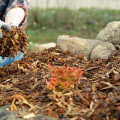
- Mulching: Applying organic materials like straw or wood chips to suppress weeds, retain moisture, and improve soil health.
- Permaculture principles: Designing garden layouts that mimic natural ecosystems for sustainable production.
The Connection Between Organic Gardening and Garden Maintenance
Understanding the connection between organic gardening and garden maintenance is essential for any gardener looking to create a sustainable and thriving outdoor space. Organic gardening practices not only promote plant health but also significantly enhance the efficiency of garden maintenance.One of the primary benefits of organic gardening is the improvement of soil health.By utilizing natural compost, mulches, and organic fertilizers, gardeners can enrich the soil with essential nutrients. This leads to stronger plants that are more resilient to pests and diseases, ultimately reducing the need for chemical interventions. Healthy plants require less maintenance, as they are better equipped to withstand environmental stressors.Moreover, organic gardening encourages biodiversity. By planting a variety of species and incorporating native plants, gardeners can attract beneficial insects and pollinators.
This natural pest control reduces the reliance on synthetic pesticides, making garden maintenance simpler and more environmentally friendly.
- Reduced Weeding: Organic practices such as mulching suppress weed growth, which means less time spent on weeding and more time enjoying your garden.
- Water Conservation: Organic gardens often utilize techniques like rainwater harvesting and drip irrigation, which not only conserve water but also reduce the frequency of watering needed.
- Soil Structure Improvement: Organic matter enhances soil structure, leading to better drainage and aeration. This results in healthier root systems that require less intervention.
By focusing on soil health, biodiversity, and sustainable practices, gardeners can create a flourishing environment that requires less effort while yielding abundant rewards.
Soil Health and Fertility Management
Maintaining a thriving garden requires a deep understanding of soil health and fertility. Organic gardening practices play a crucial role in enhancing these aspects, leading to sustainable garden maintenance. By focusing on natural methods, gardeners can improve soil structure, nutrient availability, and overall ecosystem balance.Improving Soil Structure
- Organic matter, such as compost and well-rotted manure, enhances soil structure by increasing aeration and water retention.
- This improved structure allows roots to penetrate more easily, promoting healthier plant growth.
Nutrient Availability
- Organic practices encourage the use of natural fertilizers, which release nutrients slowly and steadily, reducing the risk of nutrient leaching.
- Cover crops and crop rotation are effective strategies that not only replenish nutrients but also prevent soil depletion.
Microbial Activity
The use of organic amendments fosters a diverse community of soil microorganisms. These beneficial microbes play a vital role in:
- Breaking down organic matter into nutrients that plants can absorb.
- Enhancing soil fertility by forming symbiotic relationships with plant roots.
This not only leads to healthier plants but also contributes to the long-term viability of the garden. Ultimately, investing in soil health through organic practices is an investment in the future of your garden, ensuring it remains vibrant and productive for years to come.
Pest Management Through Organic Methods
Effective pest management is crucial for maintaining a thriving garden ecosystem. By adopting organic pest control methods, gardeners can minimize the reliance on synthetic chemicals, which can harm beneficial insects and disrupt the natural balance of the garden.One of the most popular organic pest management techniques is the use of beneficial insects. Ladybugs, lacewings, and parasitic wasps are natural predators of common garden pests like aphids and caterpillars.Introducing these insects into your garden can significantly reduce pest populations without harming the environment.Another effective strategy is the application of natural repellents. Essential oils, such as neem oil and peppermint oil, can deter pests while being safe for plants and humans. Spraying these solutions on affected areas can create a protective barrier that keeps unwanted insects at bay.
- Companion planting : This technique involves growing certain plants together to naturally repel pests. For example, planting marigolds alongside vegetables can deter nematodes and other harmful insects.
- Physical barriers : Using row covers or insect netting can physically block pests from reaching your plants, providing a simple yet effective solution for pest control.
- Handpicking : For smaller gardens, manually removing pests like slugs and beetles can be an effective way to keep populations in check without resorting to chemicals.
By fostering biodiversity and promoting natural predator-prey relationships, organic gardening practices enhance overall garden maintenance, leading to more resilient plants and a flourishing ecosystem.
Water Conservation Techniques in Organic Gardening
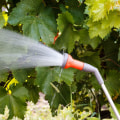
Water conservation is a critical aspect of organic gardening that not only supports the health of your plants but also enhances overall garden maintenance. By implementing sustainable watering practices, gardeners can significantly reduce water waste while ensuring their gardens thrive.One effective method for conserving water in gardens is the use of drip irrigation systems. These systems deliver water directly to the plant roots, minimizing evaporation and runoff. This targeted approach not only conserves water but also promotes healthier plant growth by providing consistent moisture levels.Another strategy is to utilize rainwater harvesting.By collecting rainwater from roofs and directing it into barrels or cisterns, gardeners can create a sustainable water source for their gardens. This practice not only reduces reliance on municipal water supplies but also helps manage stormwater runoff, contributing to environmental sustainability.
- Mulching: Applying organic mulch around plants helps retain soil moisture, reduces evaporation, and suppresses weeds. Materials such as straw, wood chips, or grass clippings can be used effectively.
- Soil Health: Maintaining healthy soil through composting and organic amendments improves its ability to retain moisture. Healthy soil structure allows for better water infiltration and reduces the need for frequent watering.
- Timing of Watering: Watering early in the morning or late in the evening minimizes evaporation losses.
This practice ensures that more water reaches the roots where it is needed most.
Enhancing Biodiversity in the Garden
Organic gardening practices play a crucial role in enhancing biodiversity within the garden ecosystem. By avoiding synthetic chemicals and embracing natural methods, gardeners can create a thriving habitat for various species, which is essential for effective garden maintenance.Biodiversity
refers to the variety of life forms in a given area, including plants, animals, fungi, and microorganisms. A diverse garden not only looks vibrant but also supports a balanced ecosystem.Here are some key benefits of promoting biodiversity organically:
- Pest Control: A diverse range of plants attracts beneficial insects such as ladybugs and lacewings, which help control pest populations naturally.
- Soil Health: Different plant species contribute to soil fertility through varied root structures and organic matter, enhancing nutrient availability and soil structure.
- Pollination: A variety of flowering plants attracts a wider range of pollinators, such as bees and butterflies, which are essential for fruit and seed production.
- Resilience to Disease: Biodiverse gardens are less susceptible to disease outbreaks since a variety of species can prevent the spread of pathogens.
- Diverse Planting: Incorporate a mix of native plants, vegetables, herbs, and flowers to create a rich tapestry of life.
- Companion Planting: Pair plants that benefit each other; for example, planting marigolds alongside vegetables can deter pests.
- Creating Habitats: Include features like birdhouses, insect hotels, and water sources to attract wildlife.
- Avoiding Monocultures: Resist the urge to plant large areas with a single species; instead, opt for polycultures that mimic natural ecosystems.
Long-Term Sustainability of Organic Practices
Implementing organic gardening practices not only enhances the immediate health of your garden but also contributes to its long-term sustainability. By focusing on natural methods, gardeners can create a self-sustaining ecosystem that minimizes the need for synthetic inputs and reduces environmental impact.One of the key aspects of sustainable gardening practices is the emphasis on soil health. Organic gardening techniques, such as composting and crop rotation, enrich the soil with essential nutrients and improve its structure.This leads to better water retention and reduced erosion, ensuring that your garden remains productive over time.Moreover, organic practices promote biodiversity. This natural balance reduces pest populations and enhances plant resilience, ultimately leading to less reliance on chemical pesticides.
- Soil Enrichment: Organic matter from compost and mulch improves soil fertility.
- Biodiversity: Diverse plantings support a wider range of wildlife.
- Pest Management: Natural predators help control pest populations without chemicals.
By prioritizing ecological balance and soil health, gardeners can ensure that their green spaces thrive for years to come.
Common Misconceptions About Organic Gardening and Maintenance
When it comes to organic gardening, several misconceptions can deter gardeners from adopting these sustainable practices. Understanding these myths is crucial for effective garden maintenance and can help clarify the benefits of organic methods.- Myth 1: Organic gardening is too labor-intensive. Many believe that organic gardening requires significantly more effort than conventional methods. In reality, while there may be an initial learning curve, organic practices often lead to healthier soil and plants, which can reduce long-term maintenance efforts.
- Myth 2: Organic gardens are less productive. Some gardeners fear that organic methods will yield fewer crops. However, studies have shown that organic gardens can produce yields comparable to conventional ones, especially when using techniques like crop rotation and companion planting.
- Myth 3: Organic gardening is expensive. While some organic products may have a higher upfront cost, many organic practices involve using natural resources available at little to no cost, such as composting kitchen scraps or using rainwater for irrigation.
Over time, these practices can lead to significant savings.
- Myth 4: Organic gardening means no pest control. A common misconception is that organic gardening does not allow for any pest management. In fact, organic practices encourage the use of natural pest deterrents and beneficial insects, which can effectively manage pests without harmful chemicals.
Conclusion: Embracing Organic Practices for Better Garden Maintenance
In conclusion, adopting organic gardening practices significantly enhances garden maintenance by promoting a healthier ecosystem and reducing the reliance on synthetic chemicals. Throughout this article, we have explored various benefits that organic methods bring to garden upkeep. One of the most compelling advantages is the improvement of soil health.Organic practices, such as composting and crop rotation, enrich the soil with essential nutrients and beneficial microorganisms. This not only leads to stronger plants but also reduces the need for chemical fertilizers, which can harm the environment. Additionally, organic gardening fosters biodiversity. By encouraging a variety of plants and beneficial insects, gardeners can create a balanced ecosystem that naturally controls pests and diseases. This reduces the time and effort spent on pest management, making garden maintenance more efficient. Moreover, organic practices contribute to water conservation.
Techniques like mulching and rainwater harvesting help retain moisture in the soil, minimizing the need for frequent watering. This not only saves time but also conserves valuable resources. Finally, embracing organic gardening aligns with sustainable living principles. It allows gardeners to cultivate their spaces in harmony with nature, leading to a more rewarding and fulfilling gardening experience. In summary, by integrating organic practices into your garden maintenance routine, you can achieve a thriving garden that is both environmentally friendly and easier to manage. The transition may require some effort initially, but the long-term benefits are well worth it.