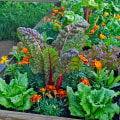
As the temperatures drop and winter approaches, garden maintenance takes on a new level of importance. One of the most effective strategies for protecting your garden during this harsh season is mulching. This simple yet powerful technique not only enhances the aesthetic appeal of your garden but also plays a crucial role in preserving soil health and supporting plant vitality throughout the winter months. Understanding the importance of mulching goes beyond mere aesthetics; it serves as a protective barrier against extreme weather conditions. A well-mulched garden can help regulate soil temperature, preventing freeze-thaw cycles that can damage plant roots.
Additionally, mulch acts as an insulator, keeping the ground warmer and providing a more stable environment for beneficial microorganisms that contribute to soil fertility. The benefits of mulching extend to moisture retention as well. During winter, when precipitation may be less frequent, mulch helps to retain soil moisture, ensuring that plants have access to the water they need to survive. Furthermore, organic mulches break down over time, enriching the soil with nutrients that will support healthy growth come spring. By investing time in proper mulching techniques now, you set the stage for a thriving garden when warmer weather returns.
Choosing the Right Mulch Material
When it comes to garden maintenance during the winter months, selecting the right mulch material is crucial for protecting your plants and soil.There are two primary categories of mulch: organic and inorganic, each with its own benefits and drawbacks.
Types of Mulch
- Organic Mulch: This type includes materials that decompose over time, enriching the soil. Common organic mulches include:
- Bark Chips: Ideal for flower beds and around trees, they provide excellent insulation.
- Straw: A lightweight option that helps retain moisture and suppress weeds.
- Wood Shavings: Great for vegetable gardens, they break down slowly and improve soil structure.
- Compost: Not only does it act as mulch, but it also adds nutrients back into the soil as it breaks down.
- Inorganic Mulch: These materials do not decompose and can last for several seasons. Examples include:
- Rubber Mulch: Durable and effective at weed suppression, but it doesn’t improve soil quality.
- Gravel or Stone: Excellent for pathways and around perennial plants, providing good drainage.
- Landscape Fabric: Used under other mulches to prevent weed growth while allowing water penetration.
Organic vs Inorganic Mulch
The choice between organic and inorganic mulch often depends on your specific garden needs. Organic mulches are beneficial for improving soil health as they break down, while inorganic options provide long-lasting coverage without the need for replacement.However, organic mulches may require more frequent replenishment in areas with harsh winters.
Best Mulch for Winter
The best mulch for winter largely depends on your climate and the types of plants you are protecting. For colder regions, a thicker layer of organic mulch like straw or shredded leaves can provide excellent insulation against freezing temperatures. In contrast, in milder climates, a lighter layer of bark chips or wood shavings may suffice. Always ensure that the mulch is applied evenly around the base of plants but not piled against their stems to prevent rot.Ultimately, understanding the differences between these materials will help you make informed decisions that enhance your garden's resilience during winter months while simplifying your overall garden maintenance.Preparing Your Garden for Mulching
Preparing your garden for mulching is a crucial step in ensuring that your plants thrive during the winter months.Proper garden maintenance begins with a thorough cleaning of your garden beds. This process not only enhances the aesthetic appeal of your garden but also promotes better soil health.
1.Clean Your Garden Beds
- Start by removing any dead plants, weeds, and debris from your garden beds. This helps prevent pests and diseases from overwintering in your soil.
- Consider composting healthy plant material to enrich your soil while disposing of diseased plants properly.
- Rake up fallen leaves and other organic matter that can harbor pests or diseases.
2.Assess Soil Health
Before applying mulch, it’s essential to assess the health of your soil. Healthy soil is the foundation of a thriving garden:
- Test Soil pH: Use a soil testing kit to determine the pH level of your soil.
Most plants prefer a pH between 6.0 and 7.0.
- Add Amendments: Based on the test results, you may need to add organic matter such as compost or well-rotted manure to improve nutrient content and structure.
- Check Drainage: Ensure that your garden beds have adequate drainage. Poor drainage can lead to root rot and other issues during winter.
How to Apply Mulch Correctly
Applying mulch correctly is essential for effective garden maintenance, especially as winter approaches. Proper mulching not only protects your plants but also enhances soil health.Here’s how to do it right:
Mulching Techniques
- Choose the Right Material: Organic materials like wood chips, straw, or shredded leaves are excellent choices as they decompose and enrich the soil. Inorganic options like gravel or rubber can also be used but do not provide nutrients.
- Prepare the Area: Clear the garden bed of weeds, debris, and old mulch. This ensures that the new layer of mulch can effectively suppress weeds and retain moisture.
- Moisten the Soil: Before applying mulch, water the soil thoroughly. This helps to lock in moisture and provides a good environment for plant roots.
How to Apply Mulch
- Spread Evenly: Use a rake to spread the mulch evenly across the garden bed.
Aim for a consistent layer that covers all exposed soil.
- Avoid Piling: Do not create mulch volcanoes around plant bases. Instead, keep mulch a few inches away from stems and trunks to prevent rot and pest issues.
- Check for Gaps: Ensure there are no bare spots in your coverage. Gaps can allow weeds to grow and reduce the effectiveness of your mulch.
Mulching Depth and Coverage
The ideal depth for mulch is typically between 2 to 4 inches. This depth is sufficient to suppress weeds while allowing water and nutrients to reach the soil.For smaller plants, aim for a depth closer to 2 inches, while larger plants can benefit from up to 4 inches of coverage. Regularly check your mulch layer throughout the winter months, as it may settle or decompose over time, requiring replenishment.By following these guidelines for applying mulch, you can ensure that your garden remains healthy and well-protected during the winter season, making your garden maintenance efforts more effective.
Common Mistakes to Avoid When Mulching for Winter
When it comes to garden maintenance during the winter months, mulching is a crucial step that can protect your plants and soil. However, many gardeners make common mistakes that can undermine their efforts. Here are some pitfalls to avoid:- Using the Wrong Type of Mulch: Not all mulches are created equal.
Organic mulches like straw, wood chips, or shredded leaves are ideal for winter as they provide insulation and improve soil health. Avoid using materials that can compact or create a barrier, such as plastic or rubber.
- Applying Mulch Too Early or Too Late: Timing is essential in winter gardening. Applying mulch too early can lead to premature growth, while waiting too long may leave your plants exposed to harsh conditions. Aim to mulch after the first hard frost when the ground is still workable.
- Over-Mulching: While a thick layer of mulch can be beneficial, too much can suffocate plants and promote rot.
A layer of 2-4 inches is generally sufficient. Ensure that mulch is not piled against plant stems or trunks.
- Neglecting to Clean the Area: Before applying mulch, it’s important to clear away any debris, weeds, or dead plant material. This helps prevent pests and diseases from overwintering in your garden.
- Ignoring Soil Moisture Levels: Mulch retains moisture, but if the soil is already saturated before mulching, it can lead to waterlogged conditions. Check soil moisture levels and allow excess water to drain before applying mulch.
Proper mulching not only protects your plants but also sets the stage for a successful growing season in spring.
Maintaining Your Mulch Throughout Winter
As winter sets in, maintaining your mulch becomes essential for protecting your garden. Proper mulch care not only helps insulate the soil but also prevents erosion and weed growth during the colder months. Here are some key practices to ensure your mulch remains effective throughout winter.Checking Mulch Layers
Regularly check the layers of mulch in your garden beds. Snow and rain can compact mulch, reducing its effectiveness.Aim for a mulch depth of 2 to 4 inches, depending on the type of mulch used. If you notice areas where the mulch has thinned out or been washed away, it’s time to replenish.
Replenishing Mulch
If you find that your mulch has become uneven or insufficient, consider adding a fresh layer. Here’s how to do it:- Choose the Right Material: Use organic materials like wood chips, straw, or shredded leaves that will decompose over time and enrich the soil.
- Apply Evenly: Spread the new mulch evenly across the garden bed, ensuring it covers all exposed soil while avoiding direct contact with plant stems.
- Avoid Over-Mulching: Too much mulch can suffocate plants and lead to moisture retention issues. Stick to the recommended depth.
If heavy snowfall occurs, gently brush off excess snow from the mulch to prevent compaction. This will help maintain air pockets within the mulch layer, allowing for better insulation and moisture retention.By actively managing your mulch during winter, you can enhance your garden's resilience against harsh conditions and promote healthier growth come spring.
Frequently Asked Questions About Winter Mulching
Winter mulching is an essential part of garden maintenance that helps protect plants from harsh weather conditions. Here are some frequently asked questions about winter mulching:- What materials can I use for winter mulching?
You can use a variety of materials such as straw, shredded leaves, wood chips, or pine needles. Each material has its benefits; for instance, straw is lightweight and provides excellent insulation, while wood chips break down slowly and improve soil structure over time. - How thick should the mulch layer be?
A mulch layer of 2 to 4 inches is generally recommended for winter.This thickness helps retain moisture and insulate the soil without suffocating the plants.
- When should I apply mulch for winter?
The best time to apply mulch is after the first hard frost but before the ground freezes. This timing allows the mulch to settle and provides adequate protection for your plants. - Can I use mulch around all types of plants?
Most plants benefit from winter mulching, but be cautious with certain perennials that may require specific care. Always check the needs of your plants before applying mulch. - How do I remove mulch in spring?
In spring, gently rake back the mulch to allow sunlight and warmth to reach the soil. Be careful not to disturb the roots of your plants during this process.
Conclusion: Key Takeaways for Effective Winter Mulching
In conclusion, proper winter mulching is a vital aspect of garden maintenance that can significantly enhance the health and resilience of your plants during the colder months.By following the techniques outlined in this article, you can ensure that your garden remains protected and thrives come spring.
- Choose the Right Mulch: Selecting organic materials such as straw, wood chips, or shredded leaves not only insulates the soil but also enriches it as they decompose.
- Apply at the Right Time: Timing is crucial; mulching should be done after the first frost to lock in moisture and protect plant roots from freezing temperatures.
- Maintain Proper Depth: A layer of 2 to 4 inches is generally recommended. Too little mulch may not provide adequate insulation, while too much can suffocate plants.
- Avoid Mulching Too Early: Mulching too soon can trap heat and moisture, potentially leading to premature growth and vulnerability to frost damage.
Your plants will thank you for it!.