Maintaining a garden is not just about aesthetics; it plays a crucial role in ensuring the overall health and vitality of your plants.
Garden maintenance
encompasses a variety of practices that help create a thriving ecosystem, which in turn protects your garden from unwanted animals and pests. By understanding the importance of garden care, you can implement proactive measures that not only enhance the beauty of your outdoor space but also safeguard it against potential threats. Healthy gardens are less susceptible to infestations and damage. Regular maintenance tasks such as pruning, weeding, and mulching contribute to the strength of your plants, making them more resilient against pests.When plants are well-cared for, they can better withstand the pressures of their environment, including attacks from insects and animals seeking food or shelter. This is why investing time in garden maintenance is essential for any gardener who wishes to protect their green sanctuary. Moreover, understanding the specific needs of your garden allows you to tailor your care strategies effectively. Different plants have unique requirements, and by addressing these needs through proper maintenance, you can foster a balanced ecosystem that naturally deters pests. In this way, garden health becomes intertwined with effective pest management, creating a harmonious environment where both plants and wildlife can thrive.
Identifying Common Garden Pests and Animals
Understanding the various types of pests and animals that can invade your garden is essential for effective garden maintenance.By identifying these threats early, you can implement strategies to protect your plants and ensure a thriving garden.
Common Garden Pests
- Aphids: These small, soft-bodied insects suck the sap from plants, leading to stunted growth and yellowing leaves. Look for clusters on the undersides of leaves.
- Slugs and Snails: Known for their slimy trails, these creatures feast on tender leaves and can cause significant damage overnight. They are most active in damp conditions.
- Spider Mites: Tiny but destructive, spider mites create fine webs on plants and can cause leaf discoloration. Check for tiny specks moving on the undersides of leaves.
- Whiteflies: These small, white insects fly up in clouds when disturbed.
They feed on plant sap and can transmit diseases.
Common Garden Animals
- Squirrels: Often seen raiding bird feeders, squirrels can also dig up bulbs and seedlings. Their presence is usually indicated by overturned soil or missing plants.
- Rabbits: These furry pests love to munch on leafy greens and tender shoots. Look for cleanly cut stems at ground level as a sign of their activity.
- Deer: Known for their voracious appetites, deer can devastate a garden in a short time. Signs include chewed leaves and broken branches.
- Birds: While some birds are beneficial, others may peck at fruits and seeds.
Keep an eye out for flocks that seem to be targeting your garden.
Preventive Measures for Garden Protection
Protecting your garden from animals and pests is essential for successful garden maintenance. Implementing preventive measures can significantly reduce the risk of damage to your plants. Here are some effective strategies:- Physical Barriers: Installing fences or netting around your garden can deter larger animals such as deer, rabbits, and raccoons.
Use materials like chicken wire or hardware cloth to create a barrier that is tall enough to prevent jumping or digging.
- Row Covers: Lightweight row covers can protect young plants from insects while allowing sunlight and moisture to penetrate. These covers can be particularly effective against flying pests like aphids and cabbage moths.
- Companion Planting: Certain plants can naturally repel pests when grown alongside your main crops. For example, planting marigolds can deter nematodes, while basil can help keep flies and mosquitoes at bay. Research compatible plants to enhance your garden's defenses.
- Natural Repellents: Utilize homemade sprays made from garlic, hot pepper, or neem oil to repel unwanted insects.
These natural solutions are less harmful to beneficial insects and the environment compared to chemical pesticides.
- Scent Deterrents: Some animals are sensitive to strong scents. Planting herbs like mint or using essential oils around the perimeter of your garden can help keep critters away.
Using Physical Barriers to Safeguard Your Garden
Protecting your garden from animals and pests is crucial for successful garden maintenance. One of the most effective strategies involves the use of physical barriers, which can deter unwanted visitors while allowing your plants to thrive.Garden Fencing
Installing a sturdy garden fence is one of the first lines of defense against larger animals such as deer, rabbits, and dogs.When choosing a fence, consider the following:
- Height: A fence should be at least 6 to 8 feet tall to prevent deer from jumping over.
- Material: Options include wood, vinyl, or metal. Choose a material that suits your aesthetic while providing durability.
- Buried Base: To keep burrowing animals like rabbits out, bury the bottom of the fence at least 6 inches underground.
Netting Solutions
Netting is another effective barrier, particularly for protecting fruits and vegetables from birds and insects. Here are some tips for using netting:- Type of Netting: Use lightweight mesh netting that allows sunlight and rain to reach your plants while keeping pests out.
- Secure Installation: Ensure that the netting is securely fastened to prevent birds from getting trapped or pests from sneaking underneath.
Row Covers
Row covers, typically made from lightweight fabric, can provide an additional layer of protection for your plants. They serve multiple purposes:- Pest Deterrent: Row covers can block insects while still allowing light and moisture to penetrate.
- Temperature Regulation: They help maintain warmth during cooler nights, promoting healthy growth.
By investing in proper fencing, netting, and row covers, you can create a thriving garden environment free from the threats posed by animals and pests.
Natural Repellents: Keeping Pests at Bay
When it comes to garden maintenance, utilizing natural repellents can be an effective way to keep pests at bay while promoting a healthy ecosystem. These eco-friendly solutions not only protect your plants but also minimize the use of harmful chemicals.Here are some popular homemade pest control recipes that you can easily prepare:- Garlic Spray: Blend 2-3 cloves of garlic with water and let it steep overnight. Strain the mixture and spray it on your plants to deter aphids, spider mites, and other pests.
- Neem Oil Solution: Mix 2 tablespoons of neem oil with a gallon of water. This natural pesticide disrupts the life cycle of many insects, making it a powerful ally in organic gardening.
- Cayenne Pepper Spray: Combine 1 tablespoon of cayenne pepper with a quart of water and a few drops of dish soap.
This spicy concoction can repel a variety of garden pests.
- Soap and Water Mixture: A simple solution of 1 tablespoon of liquid soap mixed with a quart of water can help control soft-bodied insects like aphids and whiteflies.
Companion Planting: A Natural Defense Strategy
One of the most effective garden maintenance strategies is companion planting, which involves growing different plants in proximity for mutual benefits.This technique not only enhances plant growth but also serves as a natural defense against pests.
Benefits of Companion Planting
- Repelling Pests: Certain plants emit scents or chemicals that deter harmful insects. For example, marigolds are known to repel nematodes and aphids, making them an excellent companion for vegetables.
- Attracting Beneficial Insects: Some plants attract predatory insects that feed on pests. For instance, planting dill or fennel can draw in ladybugs and lacewings, which help control aphid populations.
- Improving Soil Health: Companion plants can enhance soil nutrients. Legumes, such as beans and peas, fix nitrogen in the soil, benefiting neighboring plants that require this essential nutrient.
Plants That Repel Pests
- Basil: Known to repel flies and mosquitoes, basil is a great companion for tomatoes.
- Garlic: Its strong odor can deter a variety of pests, including aphids and spider mites.
- Pennyroyal: This mint family member is effective against fleas and mosquitoes.
Gardening Techniques for Effective Companion Planting
- Intercropping: Planting two or more crops in close proximity can maximize space and resources while minimizing pest issues.
- Succession Planting: Rotating crops and planting them in succession can disrupt pest life cycles and reduce infestations.
- Layering Plants: Taller plants can provide shade for shorter ones, creating a microclimate that may deter certain pests.
This sustainable approach not only reduces the need for chemical pesticides but also fosters biodiversity in your garden.
Maintaining a Healthy Garden Ecosystem
Maintaining a healthy garden ecosystem is essential for promoting plant health and naturally deterring pests. A well-balanced ecosystem not only supports the growth of your plants but also encourages beneficial organisms that can help manage pest populations.One of the foundational elements of a healthy garden is soil health. Healthy soil is rich in organic matter and nutrients, which fosters strong plant growth. To improve soil health, consider the following practices:- Composting: Adding compost to your garden enriches the soil with nutrients and improves its structure.
- Crop Rotation: Rotating your crops each season can prevent soil depletion and reduce pest buildup.
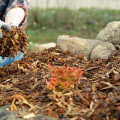
- Mulching: Applying organic mulch helps retain moisture, suppress weeds, and gradually adds nutrients back into the soil as it decomposes.
A diverse range of plants can attract various beneficial insects, such as pollinators and predatory species that feed on common pests. Here are some strategies to enhance biodiversity:
- Plant Variety: Incorporate a mix of flowers, vegetables, and herbs to create a more resilient garden.
- Natives and Perennials: Use native plants that are well-adapted to your local environment, as they require less maintenance and support local wildlife.
- Companion Planting: Pairing certain plants together can enhance growth and deter pests naturally. For example, planting marigolds alongside vegetables can repel nematodes.
Monitoring and Managing Pest Populations
Effective pest monitoring is crucial for maintaining a healthy garden.By regularly observing your plants and the surrounding environment, you can identify potential pest issues before they escalate. Start by conducting weekly inspections of your garden, focusing on the undersides of leaves and the soil. Look for signs of pest activity such as holes in leaves, webbing, or droppings.Utilizing pest monitoring techniques can enhance your ability to detect problems early. Consider implementing the following methods:
- Sticky traps: Place yellow sticky traps around your garden to catch flying insects like aphids and whiteflies.
- Soil sampling: Regularly check soil for signs of pests like grubs or nematodes that can damage roots.
- Visual inspections: Use a magnifying glass to closely examine plants for tiny pests that may be overlooked.
One of the most effective approaches is Integrated Pest Management (IPM), which combines various methods to manage pests sustainably. Here are some key components of IPM:
- Cultural controls: Modify gardening practices to make the environment less conducive to pests. This includes crop rotation, proper watering, and selecting pest-resistant plant varieties.
- Biological controls: Introduce natural predators into your garden, such as ladybugs for aphid control or parasitic wasps for caterpillars.
- Chemical controls: If necessary, use pesticides as a last resort. Opt for organic options that are less harmful to beneficial insects and the environment.
FAQs About Protecting Your Garden from Animals and Pests
Protecting your garden from animals and pests is crucial for effective garden maintenance.Here are some frequently asked questions that can help you safeguard your plants:
What are the best methods to deter animals from my garden?
There are several effective strategies to keep animals at bay:- Fencing: Installing a sturdy fence can prevent larger animals like deer and rabbits from entering your garden.
- Scare Tactics: Use scarecrows, reflective objects, or noise-making devices to frighten away birds and small mammals.
- Natural Repellents: Spraying your plants with mixtures of garlic, hot pepper, or vinegar can deter many pests without harming your plants.
How can I protect my garden from insects?
Insects can be particularly damaging to your garden. Here are some tips:- Beneficial Insects: Introduce ladybugs and lacewings, which feed on harmful pests like aphids.
- Neem Oil: This natural pesticide disrupts the life cycle of many insects without harming beneficial species.
- Cultural Practices: Rotate crops and maintain healthy soil to reduce pest populations.
Are there any plants that can help repel pests?
Certain plants are known for their pest-repelling properties:- Marigolds: These flowers emit a scent that deters nematodes and other garden pests.
- Basil: This herb not only enhances your dishes but also repels flies and mosquitoes.
- Pennyroyal: A member of the mint family, pennyroyal is effective against ants and fleas.
Conclusion: Key Takeaways for Effective Garden Maintenance
In conclusion, effective garden maintenance is essential for safeguarding your plants from animals and pests. By implementing a combination of proactive strategies, you can create a thriving garden that not only flourishes but also withstands the challenges posed by wildlife and insects. Here are the key takeaways to remember:- Regular Monitoring: Keep a close eye on your garden. Regularly inspect plants for signs of damage or pest activity, allowing for early intervention.
- Physical Barriers: Utilize fences, netting, and row covers to physically block animals from accessing your plants.
These barriers can be highly effective in deterring larger pests.
- Natural Deterrents: Incorporate companion planting and natural repellents to create an environment that is less inviting to unwanted visitors. For example, marigolds can deter nematodes and other pests.
- Proper Sanitation: Maintain cleanliness in your garden by removing debris and fallen fruit that can attract pests. A tidy garden is less appealing to both animals and insects.
- Integrated Pest Management (IPM): Adopt an IPM approach that combines biological, cultural, and chemical practices to manage pest populations sustainably.