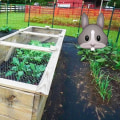
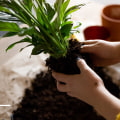
Maintaining a thriving garden is a rewarding endeavor, but it comes with its own set of challenges, particularly when it comes to plant diseases. These diseases can significantly impact the health and productivity of your plants, making it essential for gardeners to be vigilant and informed. Understanding the common ailments that can afflict your garden is a crucial aspect of garden maintenance, as early detection and management can prevent widespread damage. From fungal infections to bacterial blights, the spectrum of common garden diseases is vast. Each type of disease presents unique symptoms and requires specific treatment strategies.
For instance, powdery mildew often manifests as a white, powdery coating on leaves, while root rot may go unnoticed until plants show signs of wilting or stunted growth. Recognizing these symptoms early can save your plants and ensure a flourishing garden. Moreover, understanding the environmental conditions that foster these diseases—such as humidity levels, soil quality, and plant spacing—can empower gardeners to create a more resilient garden ecosystem. By incorporating disease management into your regular garden maintenance routine, you not only protect your plants but also enhance the overall beauty and productivity of your outdoor space.
Fungal Diseases
Fungal diseases are among the most common issues that can affect plants in a garden, often leading to significant damage if not managed properly. Understanding these diseases is essential for effective garden maintenance.Common Fungal Infections:
- Powdery Mildew: This disease appears as a white, powdery substance on leaves and stems.
It thrives in warm, dry conditions and can weaken plants by blocking sunlight.
- Root Rot: Caused by various fungi, root rot leads to wilting and yellowing of leaves. It often occurs in overwatered plants or poorly drained soil.
- Leaf Spot: Characterized by dark spots on leaves, this infection can spread quickly and may lead to leaf drop. It is often exacerbated by high humidity.
- Botrytis Blight: Also known as gray mold, this disease affects flowers and fruits, causing them to rot. It thrives in cool, damp conditions.
Symptoms and Causes:
Identifying symptoms early is crucial for managing fungal diseases.
Common signs include discoloration, wilting, and unusual growth patterns. Fungi thrive in moist environments, making poor air circulation and excessive watering primary causes of outbreaks.
Prevention Methods:
- Proper Watering: Water plants at the base rather than overhead to minimize moisture on leaves.
- Good Air Circulation: Space plants adequately to allow airflow, reducing humidity around foliage.
- Crop Rotation: Rotate crops each season to prevent the buildup of fungal spores in the soil.
- Use Resistant Varieties: Select plant varieties that are resistant to common fungal diseases.
Bacterial Diseases
Bacterial diseases are a significant concern for gardeners, as they can quickly spread and devastate plant health. Understanding the common bacterial infections that affect garden plants is crucial for effective garden maintenance.Some of the most prevalent bacterial diseases include:- Bacterial Blight: This disease often affects beans and other legumes, causing dark, water-soaked lesions on leaves and stems. Infected plants may exhibit wilting and stunted growth.
- Bacterial Wilt: Common in cucumbers and tomatoes, this disease leads to yellowing leaves and wilting.
The bacteria invade the plant's vascular system, ultimately causing death.
- Fire Blight: Primarily affecting apple and pear trees, fire blight causes blossoms to wilt and turn brown, resembling a fire-scorched appearance. It can lead to significant damage if not managed promptly.
- Discoloration or wilting of leaves
- Water-soaked spots on foliage
- Sudden plant death
- Practice Crop Rotation: Avoid planting the same species in the same location year after year to reduce bacterial buildup in the soil.
- Improve Air Circulation: Space plants adequately to enhance airflow, which helps reduce humidity levels that favor bacterial growth.
- Use Resistant Varieties: Select plant varieties that are bred for resistance to specific bacterial diseases.
- Sanitize Tools: Regularly clean gardening tools to prevent the spread of bacteria from infected plants to healthy ones.
Viral Diseases
Viral diseases are among the most challenging threats to garden maintenance, as they can spread rapidly and affect a wide range of plants. Understanding these diseases is crucial for any gardener aiming to maintain a healthy garden.Common Plant Viruses
- Tobacco Mosaic Virus (TMV): This virus affects many plants, including tomatoes and peppers, causing mottled leaves and stunted growth.
- Potato Virus Y (PVY): Common in potato crops, PVY leads to yellowing and curling of leaves, significantly reducing yield.
- Cucumber Mosaic Virus (CMV): Affecting cucumbers and other vegetables, CMV results in distorted growth and reduced fruit quality.
Once a plant is infected, there is often no cure, making prevention essential.
Preventing Viral Infections in Gardens
- Choose Resistant Varieties: Select plant varieties that are known to be resistant to common viruses.
- Practice Good Hygiene: Regularly clean gardening tools and avoid working with wet plants to minimize the risk of spreading viruses.
- Control Insect Populations: Implement integrated pest management strategies to keep insect vectors at bay.
- Remove Infected Plants: If you notice signs of viral infection, promptly remove and dispose of affected plants to prevent further spread.
Environmental Factors Contributing to Plant Diseases
Understanding the environmental factors that contribute to plant diseases is crucial for effective garden maintenance. Various conditions can create an environment conducive to the spread of pathogens, leading to unhealthy plants.Humidity and Temperature
High humidity levels can promote the growth of fungal diseases, such as powdery mildew and downy mildew. These diseases thrive in moist conditions, making it essential to monitor humidity in your garden. Conversely, extreme heat can stress plants, making them more susceptible to diseases.Maintaining a balance in temperature and humidity is vital for plant health.
Soil Quality
The health of your soil directly impacts plant vitality. Poor soil quality can lead to nutrient deficiencies, which weaken plants and make them more vulnerable to diseases. Regularly testing your soil for pH levels and nutrient content can help you amend it appropriately. Incorporating organic matter, such as compost, can enhance soil structure and fertility, promoting stronger plants that are better equipped to resist disease.Weather Impact on Gardens
Weather patterns play a significant role in the prevalence of plant diseases.For instance, prolonged periods of rain can lead to waterlogged soil, creating ideal conditions for root rot and other water-related diseases. On the other hand, drought conditions can stress plants, making them more prone to infections. Being aware of local weather patterns allows gardeners to take proactive measures, such as adjusting watering schedules or providing shade during extreme heat.In summary, by understanding how environmental factors like humidity, temperature, and soil quality influence plant health, gardeners can implement better maintenance practices. This knowledge not only helps in preventing diseases but also fosters a thriving garden ecosystem.
Preventive Measures for Healthy Plants
Maintaining a healthy garden is essential for preventing plant diseases.By implementing effective garden maintenance practices, you can significantly reduce the risk of infections and ensure your plants thrive. Here are some actionable tips to help you keep your garden healthy:
- Choose Resistant Varieties: When selecting plants, opt for varieties that are known to be resistant to common diseases. This can save you time and effort in managing potential outbreaks.
- Practice Crop Rotation: Rotating your crops each season helps prevent the buildup of pathogens in the soil. This practice disrupts the life cycles of pests and diseases that may affect specific plant families.
- Maintain Proper Spacing: Ensure adequate spacing between plants to promote good air circulation.
This reduces humidity levels around the foliage, making it less conducive for fungal diseases to develop.
- Water Wisely: Water your plants early in the morning to allow foliage to dry throughout the day. Avoid overhead watering, which can lead to wet leaves and increase the risk of disease.
- Regularly Inspect Plants: Conduct routine checks for any signs of disease or pest infestations. Early detection is key to managing issues before they escalate.
- Remove Debris: Keep your garden clean by removing fallen leaves, dead plants, and other debris that can harbor pathogens. Composting these materials can also help recycle nutrients back into the soil.
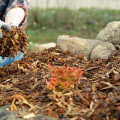
- Use Mulch: Applying a layer of organic mulch can help suppress weeds and retain soil moisture while also preventing soil-borne diseases from splashing onto plant leaves during rain or watering.
Remember, proactive garden maintenance is the best defense against potential threats to your plants.
Common FAQs About Plant Diseases in Gardens
When it comes to garden maintenance, understanding plant diseases is crucial for keeping your garden healthy. Here are some common questions gardeners have about plant diseases:- What are the signs of plant disease?Look for yellowing leaves, wilting, stunted growth, or unusual spots on leaves. These can indicate various diseases affecting your plants.
- How can I prevent plant diseases?Regularly inspect your plants, ensure proper spacing for air circulation, and avoid overhead watering to minimize moisture on leaves. Additionally, practicing crop rotation can help reduce disease buildup in the soil.
- What should I do if I find diseased plants?Isolate the affected plants immediately to prevent the spread of disease.
Remove any dead or infected foliage and consider using organic fungicides or pesticides as a treatment option.
- Are there specific diseases I should watch for?Yes, common diseases include powdery mildew, root rot, and blight. Each has distinct symptoms and requires different management strategies.
- Can I use homemade remedies for plant diseases?Many gardeners find success with homemade remedies like baking soda solutions for powdery mildew or neem oil for various pests and diseases. However, always test on a small area first.
Conclusion: Key Takeaways for Garden Maintenance
In summary, maintaining a healthy garden requires vigilance and knowledge about the common diseases that can affect your plants.Understanding these diseases is crucial for effective garden maintenance. Here are some key takeaways:
- Awareness of Symptoms: Recognizing the early signs of plant diseases, such as yellowing leaves or unusual spots, can help you take action before the problem escalates.
- Preventive Measures: Implementing good cultural practices, such as crop rotation and proper spacing, can significantly reduce the risk of disease.
- Regular Monitoring: Frequent checks on your plants allow for early detection of any issues, making it easier to manage them effectively.
- Use of Resistant Varieties: Whenever possible, choose plant varieties that are resistant to common diseases in your area.
- Proper Watering Techniques: Overwatering or underwatering can stress plants and make them more susceptible to diseases. Aim for consistent moisture without waterlogging.