Pollinators play a vital role in the health and productivity of your garden, making their presence essential for successful garden maintenance. These remarkable creatures, including bees, butterflies, and hummingbirds, are responsible for the transfer of pollen between flowers, which is crucial for the fertilization of many plants. Without them, the ability of your garden to produce fruits, vegetables, and vibrant blooms would be significantly diminished. Understanding the importance of pollinators not only highlights their ecological value but also emphasizes the need for gardeners to create an inviting environment that supports these essential species. The benefits of attracting pollinators to your garden extend beyond mere aesthetics.
Healthy pollinator populations contribute to increased crop yields and improved plant diversity. This biodiversity can lead to a more resilient garden ecosystem, capable of withstanding pests and diseases. Moreover, gardens that support pollinators often require less maintenance over time, as these beneficial insects help in natural pest control and promote soil health through their activities. By fostering a habitat that encourages pollinator visitation, you are investing in the long-term sustainability of your garden. As you embark on your journey to enhance your garden's appeal to pollinators, it is essential to recognize that every small effort counts.
From selecting native plants that provide nectar and pollen to creating shelter and water sources, there are numerous strategies you can implement. By prioritizing the needs of these vital creatures in your garden maintenance routine, you not only enrich your own gardening experience but also contribute positively to the broader ecosystem.
Choosing the Right Plants for Pollinators
Attracting pollinators to your garden begins with choosing the right plants. Selecting a variety of flowering plants that provide ample nectar and pollen is essential for creating a thriving ecosystem. Here are some of the best options:- Native Plants: Incorporating native plants into your garden is one of the most effective ways to attract local pollinators.
These plants are adapted to the local climate and soil conditions, making them easier to maintain. Examples include:
- Echinacea purpurea (Purple Coneflower)
- Asclepias tuberosa (Butterfly Weed)
- Rudbeckia hirta (Black-eyed Susan)
- Flowering Herbs: Many herbs not only enhance your culinary creations but also serve as excellent sources of nectar. Consider planting:
- Basil
- Thyme
- Oregano
- Annuals and Perennials: A mix of annuals and perennials can provide continuous blooms throughout the growing season. Some popular choices include:
- Zinnias
- Lantana
- Lavender
Additionally, consider planting in clusters rather than single specimens; this makes it easier for pollinators to find food sources. Finally, avoid using pesticides in your garden, as these chemicals can harm beneficial insects. By focusing on garden maintenance that prioritizes pollinator-friendly plants, you can create a vibrant and productive garden that supports local wildlife.
Creating a Diverse Garden Environment
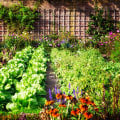
Creating a diverse garden environment is essential for attracting a variety of pollinators, including bees, butterflies, and hummingbirds. A well-planned garden layout that incorporates a range of plant species can significantly enhance biodiversity and create a thriving ecosystem.Diversity in Gardens
When selecting plants for your garden, aim for a mix of native and non-native species that bloom at different times throughout the growing season. This ensures that there are always flowers available for pollinators.
For instance, early bloomers like crocuses and snowdrops can provide essential nectar in spring, while late bloomers such as asters and goldenrods can sustain pollinators into the fall.
Garden Layout for Pollinators
Consider the layout of your garden carefully. Grouping plants with similar needs together not only simplifies maintenance but also creates a more inviting habitat for pollinators. Use clusters of flowers rather than single plants to make it easier for pollinators to find food sources. Additionally, incorporating features like water sources and sheltered areas can further enhance the appeal of your garden.
Companion Planting
Companion planting is another effective strategy to attract pollinators.
Certain plants can benefit each other when grown together, enhancing growth and resilience while also attracting beneficial insects. For example, planting marigolds alongside vegetables can deter pests while attracting pollinators. Similarly, herbs like basil and dill not only enhance culinary dishes but also serve as magnets for bees and butterflies.In summary, fostering a diverse garden environment through thoughtful plant selection, strategic layout, and companion planting can create a welcoming space for pollinators. By prioritizing biodiversity in your garden maintenance practices, you contribute to the health of local ecosystems while enjoying the beauty and productivity of your garden.
Providing Essential Resources for Pollinators
To create a thriving garden that attracts pollinators, it is essential to provide them with the necessary resources beyond just flowers.This includes water sources, shelter, and food sources that cater to various species.
Water Sources for Pollinators
Pollinators, such as bees and butterflies, require water to survive. Incorporating a water source in your garden can be as simple as adding a shallow birdbath or a small pond. Here are some tips:- Shallow Birdbaths: Use a birdbath with a shallow basin, ensuring the water is no deeper than 2 inches. Add pebbles or stones for pollinators to land on safely.
- Ponds: If space allows, consider creating a small pond.
This not only provides water but also supports other wildlife.
- Regular Maintenance: Change the water frequently to prevent stagnation and algae growth, which can deter pollinators.
Shelter for Bees
Providing shelter is crucial for pollinators, especially solitary bees that do not live in hives. Here are some effective ways to offer shelter:- Nesting Sites: Leave some areas of bare soil or create bee hotels using hollow stems or drilled wood blocks to attract solitary bees.
- Dense Planting: Grouping plants together can create natural shelters and microhabitats for various pollinators.
- Overwintering Habitats: Leave dead plant stems and leaf litter in your garden during winter, as many pollinators use these materials for overwintering.
Food Sources for Butterflies
Butterflies are drawn to gardens that offer a variety of nectar-rich flowers. To ensure they have ample food sources, consider the following:- Diverse Plant Selection: Plant a mix of native flowering plants that bloom at different times throughout the growing season to provide continuous food.
- Nectar Plants: Choose plants like milkweed, coneflowers, and lantana that are known to attract butterflies.
- Caterpillar Host Plants: Include host plants such as parsley and fennel for caterpillars, ensuring a complete life cycle in your garden.
Implementing Organic Gardening Practices
Implementing organic gardening practices is essential for creating a thriving garden that attracts and supports pollinators. By focusing on natural methods, gardeners can enhance biodiversity and promote a healthier ecosystem.One of the primary benefits of organic gardening is the avoidance of harmful pesticides.Traditional pesticides can be detrimental to pollinators such as bees, butterflies, and hummingbirds. Instead, consider using natural pest control methods like introducing beneficial insects, such as ladybugs and lacewings, which can help manage pest populations without harming pollinators.Additionally, incorporating a variety of native plants into your garden can significantly boost its appeal to pollinators. Native plants are adapted to the local environment and provide essential food sources for these creatures. Here are some tips for selecting the right plants:
- Choose a diverse range of flowering plants that bloom at different times throughout the growing season to ensure a continuous food supply.
- Opt for single-flower varieties, as they are easier for pollinators to access compared to double-flowered types.
- Include host plants for caterpillars, which will support butterfly populations in your garden.
This can be achieved by:
- Providing shelter: Leave some areas of your garden undisturbed with native grasses or brush piles where pollinators can nest.
- Installing bee hotels: These structures offer safe nesting sites for solitary bees.
- Creating water sources: Shallow dishes filled with water and pebbles can provide hydration for thirsty pollinators.
Creating Pollinator Habitats and Nesting Sites
Creating a welcoming environment for pollinators in your garden is essential for their survival and can significantly enhance your garden's productivity. Here are some effective ways to establish pollinator habitats and nesting sites that cater to various species.1.Plant Native Flora
Start by incorporating a variety of native plants that bloom at different times throughout the growing season. This ensures a continuous food source for pollinators.Consider including:
- Wildflowers: Such as coneflowers, black-eyed Susans, and milkweed.
- Herbs: Like lavender, thyme, and basil, which attract bees and butterflies.
- Shrubs: Such as elderberry and serviceberry that provide nectar and berries.
2.Create Nesting Sites for Bees
Different bee species have unique nesting requirements. To support them, consider the following:- Leave Bare Soil: Ground-nesting bees require bare patches of soil to burrow into.
- Wooden Debris: Leave dead wood or logs in your garden; many solitary bees nest in the cavities of old wood.
- Brush Piles: Create brush piles using twigs and branches to provide shelter for various pollinators.
3.Build Bee Hotels
Constructing bee hotels is an excellent way to provide artificial nesting sites for solitary bees. Here’s how to make one:- Materials Needed: Gather untreated wood blocks, bamboo tubes, or hollow stems.
- Assembly: Drill holes of varying diameters (1/8" to 1/2") into the wood blocks or use bamboo tubes cut to different lengths.
- Placement: Position the bee hotel in a sunny spot, ideally facing south or southeast, and ensure it is sheltered from rain.
Maintaining Your Pollinator-Friendly Garden Year-Round
To create a thriving environment for pollinators, year-round care is essential.This involves understanding the seasonal needs of both your garden and the pollinators that visit it. Here are some effective strategies for maintaining your pollinator-friendly garden throughout the year:
- Spring: As the weather warms, begin by cleaning up any debris from winter. This includes removing dead plant material and ensuring that soil is aerated. Plant early-blooming flowers such as crocuses and daffodils to provide food sources for emerging pollinators.
- Summer: During the peak growing season, focus on watering and mulching to retain soil moisture.
Regularly deadhead spent flowers to encourage new blooms and extend the flowering period. Incorporate a variety of plants that bloom at different times to ensure a continuous food supply.
- Fall: As temperatures drop, allow some plants to go to seed, providing natural food sources for birds and insects. Consider planting late-blooming flowers like asters and goldenrods to attract pollinators preparing for winter.
- Winter: While many plants die back, leave some stems standing as they can provide shelter for overwintering pollinators. Avoid heavy pruning until spring, as this can disrupt habitats.
Additionally, consider adding native evergreen plants that can offer shelter and food during harsh conditions.
Common Challenges in Attracting Pollinators and How to Overcome Them
Attracting pollinators to your garden can be a rewarding endeavor, but it often comes with its own set of challenges. Understanding these obstacles is crucial for effective garden maintenance and ensuring a thriving ecosystem.Common Challenges
- Pests Affecting Pollinators: Insects such as aphids and spider mites can not only damage plants but also deter pollinators.
These pests may create an unhealthy environment that discourages bees and butterflies from visiting.
- Monoculture Planting: Relying on a single type of plant can limit the variety of pollinators attracted to your garden. Different species have different preferences, and a lack of diversity can lead to fewer visits.
- Use of Pesticides: Chemical pesticides can be harmful to pollinators. Even if they are not directly targeted, these chemicals can disrupt their navigation and reproductive systems.
- Climate Conditions: Extreme weather conditions, such as drought or excessive rain, can affect the availability of food sources for pollinators, making it difficult for them to thrive.
Solutions for Pollinator Decline
To overcome these challenges, consider implementing the following strategies:- Integrated Pest Management (IPM): Use natural pest control methods, such as introducing beneficial insects like ladybugs, to keep pest populations in check without harming pollinators.
- Diverse Plant Selection: Incorporate a variety of flowering plants that bloom at different times throughout the season. This ensures a continuous food source for pollinators.
- Organic Practices: Opt for organic gardening methods that avoid harmful chemicals.
Use natural repellents and organic fertilizers to maintain plant health without endangering pollinators.
- Create Habitats: Provide nesting sites and shelter for pollinators by leaving some areas of your garden undisturbed or by adding bee hotels and native plants that offer refuge.
Conclusion: The Impact of a Pollinator-Friendly Garden on Ecosystem Health
In conclusion, creating a pollinator-friendly garden is not just a trend; it is a vital component of effective garden maintenance that significantly contributes to the health of our ecosystems. By implementing strategies that attract and support pollinators, gardeners can play a crucial role in enhancing biodiversity and promoting the sustainability of local flora and fauna.Throughout this article, we explored various methods to attract pollinators, such as:- Planting native species: Native plants are adapted to local conditions and provide essential resources for pollinators.
- Diverse flower selection: A variety of flowers that bloom at different times ensures a continuous food source throughout the growing season.
- Avoiding pesticides: Reducing or eliminating chemical use protects pollinators from harmful substances.
- Providing habitats: Incorporating features like bee hotels and water sources creates safe spaces for pollinators to thrive.
As we cultivate our gardens with care and intention, we also nurture the intricate web of life that sustains us all. Let us embrace the responsibility of being stewards of our environment by creating spaces that welcome and support these essential creatures.