Overwatering is a common yet often overlooked issue in garden maintenance that can have severe consequences for plant health and soil quality. While it may seem counterintuitive, providing too much water can lead to a range of problems, including root rot, nutrient leaching, and the proliferation of harmful fungi. Understanding the signs of overwatering is crucial for any gardener who wishes to maintain a thriving garden. The effects of overwatering extend beyond just the immediate health of your plants. When soil becomes saturated, it can lose its ability to hold essential nutrients, leading to deficiencies that stunt growth and diminish the vibrancy of your garden.
Additionally, overwatered soil can create an environment conducive to pests and diseases, further jeopardizing your plants' well-being. Recognizing these impacts is vital for implementing effective garden maintenance strategies. In this article, we will explore various methods to prevent overwatering, ensuring that your garden remains healthy and flourishing. By adopting best practices in watering techniques and understanding your plants' specific needs, you can create a balanced ecosystem that promotes growth while avoiding the pitfalls of excess moisture.
Assessing Your Garden's Water Needs
Understanding your garden's water needs is crucial for effective garden maintenance. Different plants have varying requirements based on their species, growth stage, and the type of soil they are planted in.To prevent overwatering, start by assessing the specific needs of the plants in your garden.1.Know Your Plants
- Succulents and cacti thrive in dry conditions and require minimal watering.
- Tropical plants, on the other hand, often need more moisture and should be watered more frequently.
- Stick your finger about an inch into the soil. If it feels dry at that depth, it's time to water.
- Use a moisture meter for a more accurate reading, especially for larger gardens.
Implementing Proper Watering Techniques
To effectively manage garden maintenance and prevent overwatering, implementing proper watering techniques is essential.One of the most effective methods is deep watering, which encourages roots to grow deeper into the soil, making plants more resilient to drought and reducing the frequency of watering.
Deep Watering
Deep watering involves saturating the soil to a depth of at least 6 to 12 inches. This can be achieved by using a soaker hose or a drip irrigation system that delivers water slowly and evenly. By allowing water to penetrate deeply, you ensure that the moisture reaches the root zone where it is needed most. This technique not only minimizes surface runoff but also helps in preventing waterlogged conditions that can lead to root rot.Timing of Watering
The timing of your watering sessions plays a crucial role in preventing overwatering.It is generally best to water early in the morning or late in the afternoon when temperatures are cooler. This reduces evaporation and allows plants to absorb moisture more effectively. Avoid watering during the hottest part of the day, as this can lead to excessive evaporation and may cause you to overcompensate by applying more water than necessary.
Additional Tips
- Check Soil Moisture: Before watering, check the soil moisture level by sticking your finger about an inch into the soil. If it feels damp, hold off on watering.
- Use Mulch: Applying a layer of mulch around your plants can help retain soil moisture and reduce the need for frequent watering.
- Adjust for Weather: Be mindful of recent rainfall and adjust your watering schedule accordingly.
During rainy periods, you may not need to water at all.
Utilizing Soil Amendments for Better Drainage
One of the most effective ways to prevent overwatering in your garden is by utilizing soil amendments that enhance drainage and improve overall garden soil health. By incorporating organic matter and other materials into your soil, you can create a more balanced environment that allows excess water to drain away efficiently.Organic matter
, such as compost, well-rotted manure, or leaf mold, plays a crucial role in improving soil structure. These amendments increase the soil's ability to retain moisture while also promoting drainage. When added to heavy clay soils, organic matter helps break up compacted particles, creating air pockets that facilitate water movement.In addition to organic matter, consider using inorganic amendments like perlite, vermiculite, or sand.These materials can significantly enhance drainage in soils that tend to retain too much water. For instance:
- Perlite: A volcanic glass that improves aeration and drainage without adding weight.
- Vermiculite: A mineral that retains moisture while allowing excess water to escape.
- Sand: Coarse sand can help break up heavy soils, but it should be used in moderation to avoid creating a concrete-like texture.
Healthy soil leads to robust plant growth, making it a vital aspect of effective garden maintenance.
Choosing the Right Plants for Your Climate and Soil
One of the most effective strategies for garden maintenance is to choose plants that are well-suited to your local climate and soil conditions. By selecting the right plants, you can significantly reduce the need for excessive watering, thereby preventing overwatering and promoting a healthier garden ecosystem.Drought-Resistant Plants
Drought-resistant plants are specifically adapted to thrive in low-water conditions. These plants often have deep root systems, waxy leaves, or other adaptations that allow them to conserve moisture. Incorporating drought-resistant plants into your garden can help ensure that your landscape remains vibrant even during dry spells.Some popular options include:
- Lavender: This aromatic herb not only adds beauty but also requires minimal water once established.
- Succulents: With their fleshy leaves, succulents store water efficiently and are perfect for low-maintenance gardens.
- Agave: Known for its striking appearance, agave is a hardy plant that thrives in arid conditions.
Native Plants
Another excellent approach is to incorporate native plants into your garden. Native species are adapted to the local environment and typically require less water and care than non-native varieties. They are also more resilient to local pests and diseases. By planting native flora, you not only support local wildlife but also create a sustainable garden that aligns with the natural ecosystem.Examples of native plants include:
- Echinacea (Coneflower): A beautiful perennial that attracts pollinators and thrives in various soil types.
- Black-eyed Susan: This hardy flower is drought-tolerant and adds vibrant color to any garden.
- Milkweed: Essential for monarch butterflies, milkweed is a low-maintenance plant that flourishes in dry conditions.
Climate-Appropriate Gardening
Understanding your local climate is crucial for successful garden maintenance. Researching which plants thrive in your specific climate zone can help you make informed decisions. For instance, if you live in a region with hot summers and mild winters, consider selecting heat-tolerant varieties that can withstand high temperatures without requiring excessive watering.In conclusion, by choosing the right plants—whether they are drought-resistant or native to your area—you can create a thriving garden that minimizes water usage and enhances overall sustainability. This thoughtful approach not only conserves resources but also contributes to a more resilient landscape.Monitoring Weather Conditions and Adjusting Watering Schedules
Effective garden maintenance requires a keen awareness of the weather conditions that can impact your plants.One of the most critical aspects of this is monitoring rainfall and adjusting your watering schedule accordingly. Overwatering can lead to root rot and other issues, so being proactive is essential.
Utilizing Weather Monitoring Tools
- Weather Apps: Many smartphone applications provide real-time weather updates, including rainfall predictions. By checking these apps regularly, you can plan your watering schedule more effectively.
- Local Weather Stations: Keeping an eye on local weather reports can help you anticipate rain and adjust your watering accordingly. This is especially useful during unpredictable weather seasons.
Adjusting Your Watering Schedule
When you know rain is in the forecast, consider postponing your watering sessions.
If you typically water in the morning, check the weather the night before to see if rain is expected. If so, skip that day’s watering to prevent over-saturation of the soil.
Using a Rain Gauge
A rain gauge is a simple yet effective tool for measuring how much rain your garden receives. By placing a rain gauge in your garden, you can accurately assess whether additional watering is necessary after a rainfall. This helps you avoid unnecessary watering and ensures that your plants receive just the right amount of moisture.In summary, by actively monitoring weather conditions and utilizing tools like weather apps and rain gauges, you can make informed decisions about your w watering schedule.
This not only conserves water but also promotes healthier plants by preventing the risks associated with overwatering.
Using Irrigation Systems Wisely
Effective garden maintenance requires a careful balance of water management, and utilizing the right irrigation systems can significantly reduce the risk of overwatering. One of the most efficient methods is drip irrigation, which delivers water directly to the roots of plants. This targeted approach minimizes evaporation and runoff, ensuring that each plant receives the precise amount of moisture it needs.Drip irrigation systems consist of a network of tubing and emitters that can be customized to fit the layout of your garden. By adjusting the flow rate and timing, gardeners can tailor their watering schedules to match the specific needs of different plants, thereby preventing overwatering.Another innovative solution is smart irrigation technology.These systems utilize sensors and weather data to optimize watering schedules automatically. For instance, soil moisture sensors can detect when the ground is sufficiently wet and adjust the irrigation accordingly. This not only conserves water but also promotes healthier plant growth by preventing waterlogged soil.
- Benefits of Drip Irrigation:
- Reduces water waste by delivering water directly to plant roots.
- Minimizes weed growth by keeping surrounding soil dry.
- Can be easily integrated with mulch to further enhance moisture retention.
- Advantages of Smart Irrigation:
- Automatically adjusts watering based on real-time weather conditions.
- Can be controlled remotely via smartphone apps for convenience.
- Helps in maintaining optimal soil moisture levels, reducing the risk of overwatering.
Signs of Overwatering and How to Address Them
Recognizing the signs of overwatering is crucial for effective garden maintenance.Overwatered plants often exhibit a range of symptoms that can lead to serious health issues if not addressed promptly.
- Yellowing Leaves: One of the most common signs is yellowing leaves, particularly older leaves. This occurs because the roots are suffocated and cannot absorb nutrients effectively.
- Wilting: Ironically, overwatered plants may also appear wilted. This happens when the roots are damaged and unable to take up water properly.
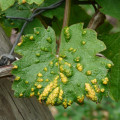
- Mold or Fungus: The presence of mold on the soil surface or fungal growth on the plant itself is a clear indicator of excessive moisture.
- Root Rot: If you notice a foul smell coming from the soil or see black, mushy roots when you inspect them, your plant may be suffering from root rot due to overwatering.
- Adjust Watering Schedule: Evaluate your watering routine. Ensure you are allowing the top inch of soil to dry out before watering again.
- Improve Drainage: If your garden soil retains too much water, consider amending it with organic matter or sand to enhance drainage.
- Repot if Necessary: For potted plants, repotting into a container with drainage holes can help prevent future overwatering issues.
- Remove Affected Parts: Trim away any dead or dying leaves and roots to help the plant focus its energy on recovery.
By recognizing these signs and implementing these strategies, you can maintain a healthy and thriving garden.
Frequently Asked Questions About Overwatering in Gardens
Overwatering is a common issue in garden maintenance, and many gardeners have questions about how to manage it effectively. Here are some frequently asked questions that can help you understand and prevent overwatering in your garden.What are the signs of overwatering?
Identifying the signs of overwatering early can save your plants from serious damage. Look for:- Yellowing leaves: Leaves may turn yellow and drop off, indicating stress.
- Wilting: Ironically, overwatered plants can also appear wilted due to root suffocation.
- Mold or fungus: Excess moisture can lead to mold growth on the soil surface.
- Soggy soil: Soil that remains wet for extended periods is a clear sign of overwatering.
How can I prevent overwatering?
Preventing overwatering is crucial for healthy plant growth. Here are some effective strategies:- Check soil moisture: Use a moisture meter or your finger to check if the soil is dry before watering.
- Improve drainage: Ensure your garden beds have proper drainage by adding organic matter or using raised beds.
- Water deeply but infrequently: Allow the soil to dry out between watering sessions to encourage deep root growth.
- Choose the right plants: Select plants that are suited to your local climate and soil conditions, as they will require less water.
Can overwatering be fixed?
If you suspect that your plants are suffering from overwatering, there are steps you can take to remedy the situation:- Stop watering immediately: Allow the soil to dry out before resuming any watering schedule.
- Improve air circulation: Prune back dense foliage to enhance airflow around the plants.
- Repot if necessary: If the roots are rotting, consider repotting the plant in fresh, dry soil.
Conclusion: Key Takeaways for Effective Garden Maintenance
In conclusion, preventing overwatering is a crucial aspect of effective garden maintenance.By implementing the strategies discussed, gardeners can ensure their plants thrive while avoiding the detrimental effects of excess moisture.
Key Strategies to Remember
- Understand Your Soil: Different soil types have varying drainage capabilities. Conducting a soil test can help you determine how much water your garden truly needs.
- Utilize Proper Watering Techniques: Watering early in the morning or late in the evening minimizes evaporation and allows for better absorption.
- Incorporate Mulching: A layer of mulch can help retain soil moisture while preventing weeds, which compete for water.
- Install Drainage Solutions: If your garden tends to retain water, consider adding drainage systems or amending the soil with organic matter to improve its structure.
- Monitor Weather Conditions: Keep an eye on rainfall and adjust your watering schedule accordingly. Using rain gauges can help you track precipitation levels.