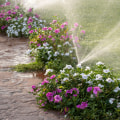
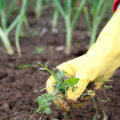
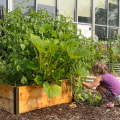
Maintaining a garden is not just about planting flowers and vegetables; it encompasses a range of practices that ensure the health and beauty of your outdoor space.
Garden maintenance
is essential for creating an environment where plants can thrive, and it involves regular tasks such as watering, weeding, fertilizing, and, importantly, pruning. Understanding the significance of these practices can transform your garden from a simple patch of land into a vibrant ecosystem. The importance of garden maintenance cannot be overstated. A well-maintained garden not only enhances the aesthetic appeal of your home but also contributes to the overall health of the plants.Neglecting maintenance can lead to overgrown plants, pest infestations, and diseases that can spread quickly. By investing time in regular care, you can prevent these issues and promote a flourishing garden that provides enjoyment and sustenance. At its core, garden care basics involve understanding the specific needs of your plants and the environment in which they grow. This includes knowing when to water, how to apply fertilizers effectively, and recognizing the signs of plant stress. Each season brings its own set of challenges and opportunities for growth, making it crucial to stay informed about best practices.
As we delve deeper into the topic of pruning, you'll discover how this particular aspect of garden maintenance plays a pivotal role in shaping healthy plants and ensuring their longevity.
What is Pruning?
Pruning is the practice of selectively removing certain parts of a plant, such as branches, buds, or roots, to improve its overall health and appearance. This essential technique in garden maintenance not only enhances the aesthetic appeal of your garden but also promotes vigorous growth and flowering.Types of Pruning
- Thinning: This involves removing entire branches or stems to increase light penetration and air circulation within the plant. Thinning helps reduce overcrowding and encourages healthier growth.
- Heading: In this technique, the tips of branches are cut back to promote bushier growth. It is particularly useful for shaping shrubs and encouraging new shoots.
- Rejuvenation: This method is used on older plants that have become overgrown.
By cutting them back significantly, you can stimulate new growth and restore vitality.
- Deadheading: This involves removing spent flowers to encourage further blooming. It is a simple yet effective way to keep flowering plants looking their best.
Pruning Techniques
Effective pruning requires knowledge of various techniques to ensure that plants are not harmed during the process. Here are some key techniques:- Cutting Angle: Always make cuts at a 45-degree angle to prevent water accumulation on the cut surface, which can lead to rot.
- Timing: Prune at the right time of year for each specific plant type. For example, many flowering shrubs benefit from pruning immediately after they bloom.
- Tools: Use sharp, clean tools such as pruning shears or loppers to make precise cuts.
Dull tools can damage plants and lead to disease.
Benefits of Pruning for Garden Maintenance
Pruning is a vital practice in garden maintenance that offers numerous benefits, ensuring that plants remain healthy and vibrant. Understanding the advantages of pruning can help gardeners make informed decisions about their plant care routines.Promoting Plant Health One of the primary reasons to prune plants is to promote their overall health. By removing dead, diseased, or damaged branches, you allow the plant to focus its energy on new growth.This not only helps in preventing the spread of disease but also encourages stronger, more resilient plants.Enhancing Growth Pruning stimulates growth by encouraging the development of new shoots and leaves. When you cut back certain branches, it can lead to a phenomenon known as apical dominance, where the plant redirects its energy to produce new growth in other areas. This results in a fuller, bushier appearance and can significantly enhance the plant's productivity.Improving Aesthetics A well-maintained garden is visually appealing, and pruning plays a crucial role in achieving this. Regularly trimming plants helps maintain their shape and size, ensuring they fit harmoniously within the landscape.
Additionally, removing overgrown or unsightly branches can highlight the beauty of flowers and foliage, making your garden more inviting.Encouraging Flowering and Fruiting Many flowering and fruiting plants benefit from strategic pruning. By cutting back old wood, you can encourage the growth of new buds that will produce more flowers or fruit. This practice not only enhances the yield but also prolongs the blooming period, providing a more extended display of color in your garden.Reducing Pests and Diseases Regular pruning can also help manage pest populations and reduce the risk of diseases. By improving air circulation within the plant canopy, you create an environment that is less conducive to fungal infections and insect infestations.
This proactive approach to garden maintenance can save time and resources in the long run. In summary, incorporating pruning into your garden maintenance routine offers multiple benefits, from promoting plant health to enhancing aesthetics. By understanding these advantages, gardeners can ensure their plants thrive while creating a beautiful outdoor space.
When to Prune: Timing Matters
Understanding when to prune is crucial for effective garden maintenance. The timing of your pruning efforts can significantly influence the health and growth of your plants. Here are some key considerations:Best Time to Prune
Generally, the best time to prune most plants is during their dormant season, which typically occurs in late winter or early spring before new growth begins.This timing minimizes stress on the plants and allows them to heal quickly as they enter their active growing phase.
Seasonal Pruning Tips
- Spring: For flowering shrubs that bloom on old wood, such as lilacs and azaleas, prune immediately after flowering to avoid cutting off next year’s blooms.
- Summer: This is an ideal time for pruning trees and shrubs that flower on new wood. Light pruning can also help maintain shape and remove any dead or diseased branches.
- Fall: Avoid heavy pruning in the fall, as this can stimulate new growth that may not survive the winter. However, you can remove any dead or damaged branches at this time.
- Winter: Dormant season pruning is beneficial for many deciduous trees and shrubs. It allows for better visibility of the plant structure and helps in making precise cuts.
When to Prune Specific Plants
Different plants have unique pruning needs:- Roses: Prune in late winter or early spring when buds begin to swell.
- Fruit Trees: Late winter is ideal for most fruit trees, while summer pruning can help control size and improve air circulation.
- Perennials: Cut back perennials in late fall or early spring before new growth emerges.
Remember, proper timing not only supports healthy growth but also contributes significantly to your overall garden maintenance strategy.
Pruning Techniques for Different Plants
Pruning is an essential aspect of garden maintenance that varies significantly depending on the type of plant. Understanding the specific techniques for different plants can greatly enhance their health and appearance.Pruning Techniques for Shrubs
When it comes to shrubs, the timing and method of pruning can differ. Here are some effective techniques:- Thinning: This involves removing entire branches at their base to improve air circulation and light penetration.
- Shearing: Ideal for formal hedges, this technique involves cutting back the outer growth to maintain a specific shape.
- Renewal Pruning: For older shrubs, cutting back a third of the oldest stems can rejuvenate growth and encourage new shoots.
Tree Pruning Methods
Tree pruning is crucial for maintaining structure and health. Here are some common methods:- Crown Thinning: This method removes select branches to reduce density while maintaining the tree's natural shape.
- Crown Raising: Removing lower branches allows for better clearance and access beneath the tree.
- Crown Reduction: This technique reduces the overall size of the tree by cutting back the branches to lateral buds, which helps manage height without compromising health.
Flower Pruning Tips
For flowering plants, proper pruning can enhance blooms and overall vigor.Consider these tips:
- Deadheading: Regularly removing spent flowers encourages more blooms and prevents plants from going to seed.
- Cutting Back: After flowering, cut back perennials to promote healthy growth in the next season.
- Selective Pruning: Focus on removing weak or crossing stems to improve airflow and reduce disease risk.
Common Mistakes in Pruning and How to Avoid Them
Pruning is an essential aspect of garden maintenance, but many gardeners make common mistakes that can hinder plant health and growth. Understanding these errors and how to avoid them can lead to a thriving garden.1.Pruning at the Wrong Time
One of the most frequent mistakes is pruning at the incorrect time of year. Different plants have specific pruning schedules, and cutting them at the wrong time can lead to reduced blooms or even plant death. For instance, spring-flowering shrubs should be pruned right after they bloom, while summer-flowering varieties can be pruned in late winter or early spring.2.Using Dull Tools
Another common error is using dull or inappropriate tools for pruning.Dull blades can crush stems rather than making clean cuts, which can invite disease and pests. Always ensure your tools are sharp and sanitized before use to promote healthy cuts.
3.Over-Pruning
Over-pruning is a mistake that can severely stress plants. Removing too much foliage can limit a plant's ability to photosynthesize, leading to stunted growth. A good rule of thumb is to never remove more than one-third of a plant's foliage at once.4.Neglecting Plant Health
Failing to assess the overall health of a plant before pruning is another pitfall.If a plant is diseased or infested with pests, pruning may not be the best course of action. Instead, focus on treating the underlying issues first.
5.Improper Cutting Techniques
Using incorrect cutting techniques can also lead to damage. Always make cuts at a 45-degree angle just above a bud or node to encourage healthy growth. Avoid leaving stubs, as they can become entry points for diseases. By being aware of these common pruning mistakes and implementing proper techniques, you can enhance your garden maintenance efforts and ensure your plants thrive throughout the seasons.Tools You Need for Effective Pruning
Effective pruning is essential for maintaining a healthy and vibrant garden, and having the right tools can make all the difference.Here’s a list of essential gardening tools that every gardener should consider for effective pruning:
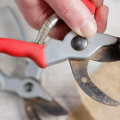
- Hand Pruners: Also known as secateurs, these are ideal for cutting small branches and stems. Look for a pair with a comfortable grip and a sharp blade to ensure clean cuts.
- Loppers: For thicker branches that are too large for hand pruners, loppers provide extra leverage. They typically have long handles and can cut branches up to 2 inches in diameter.
- Saws: A pruning saw is necessary for larger branches that require more power. Choose a lightweight, curved saw for easier maneuverability in tight spaces.
- Hedge Shears: Perfect for shaping hedges and shrubs, hedge shears come with long blades that allow you to make precise cuts while maintaining the desired shape of your plants.
- Garden Gloves: Protect your hands from thorns and sharp edges with a sturdy pair of garden gloves.
Look for gloves that offer both protection and dexterity.
- Pruning Knife: A versatile tool, a pruning knife is useful for making clean cuts on smaller plants and can also be used for grafting.
Pruning FAQs: Your Questions Answered
Pruning is a vital aspect of garden maintenance that often raises numerous questions among gardeners.Here are some of the most frequently asked questions about pruning:
- What is the best time to prune my plants? The timing for pruning largely depends on the type of plant. Generally, late winter or early spring is ideal for most deciduous trees and shrubs, while flowering plants may require pruning right after they bloom.
- How much should I prune? A good rule of thumb is to remove no more than one-third of a plant's growth in a single season. This helps maintain the plant's health and encourages new growth without causing undue stress.
- What tools do I need for pruning? Essential tools include sharp pruning shears, loppers for thicker branches, and a saw for larger limbs. Always ensure your tools are clean and sharp to make precise cuts.
- Can I prune during the fall? While some light pruning can be done in the fall, it’s generally best to avoid heavy pruning at this time.
Pruning in fall can stimulate new growth that may not survive the winter.
- What are the benefits of pruning? Pruning promotes healthy growth, improves air circulation, enhances fruit production, and helps shape plants for aesthetic appeal. It also removes dead or diseased branches, which can prevent further issues.
Conclusion: The Impact of Pruning on Garden Maintenance Success
In conclusion, pruning is an essential practice that significantly enhances garden maintenance. By removing dead or diseased branches, gardeners can promote healthier growth and improve the overall appearance of their plants.This not only contributes to a more aesthetically pleasing garden but also ensures that plants are more resilient against pests and diseases.Moreover, regular pruning helps in shaping plants, allowing them to grow in a way that maximizes sunlight exposure and air circulation. This is particularly important for fruit-bearing trees and shrubs, as it can lead to increased yields and better-quality produce. When plants are pruned correctly, they can focus their energy on producing flowers and fruits rather than sustaining unnecessary foliage.
- Improved Airflow: Pruning opens up the canopy of plants, reducing humidity levels and preventing fungal diseases.
- Enhanced Aesthetics: A well-pruned garden looks tidy and well-maintained, which can increase property value.
- Encouraged New Growth: Pruning stimulates the growth of new shoots, leading to a more vigorous plant.
Not only will it enhance the beauty of your garden, but it will also foster a thriving ecosystem that supports both plant health and biodiversity. Embrace the art of pruning, and watch your garden flourish like never before!.