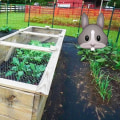
Raised beds are a popular gardening technique that involves creating a contained growing area above the ground level. Typically constructed from materials such as wood, stone, or metal, these beds are filled with a nutrient-rich soil mix that promotes healthy plant growth. The design of raised beds can vary widely, allowing gardeners to customize their gardens according to their specific needs and aesthetic preferences. This method not only enhances the visual appeal of a garden but also significantly contributes to garden maintenance.One of the primary benefits of raised beds is their ability to improve soil drainage and aeration.
By elevating the soil, gardeners can prevent waterlogging, which is a common issue in traditional garden plots. This is particularly advantageous in regions with heavy rainfall or poor drainage. Additionally, the controlled environment of raised beds allows for better temperature regulation, which can extend the growing season and promote healthier plants.Moreover, raised beds can reduce the physical strain associated with gardening. The elevated height minimizes the need for bending and kneeling, making it easier for individuals of all ages and abilities to engage in garden maintenance.
This accessibility encourages more frequent care and attention to plants, ultimately leading to a more productive garden. With their myriad benefits, raised beds serve as an excellent solution for both novice and experienced gardeners looking to enhance their gardening experience.
Improved Soil Quality and Drainage
Raised beds offer significant advantages when it comes to soil quality and drainage, both of which are essential for effective garden maintenance. By elevating the soil, raised beds create a controlled environment that can lead to healthier plants and more productive gardens.Enhanced Soil Quality
- Raised beds allow gardeners to customize the soil mix, incorporating organic matter such as compost, which enriches the soil with nutrients.
- The defined structure of raised beds prevents soil compaction, ensuring that roots can easily penetrate and access vital nutrients.
- With better aeration, plants can thrive as they receive adequate oxygen, which is crucial for root development.
Improved Drainage
- One of the primary benefits of raised beds is their ability to facilitate drainage. Excess water can easily escape, reducing the risk of root rot and other moisture-related issues.
- In areas with heavy clay soils, raised beds can be particularly beneficial as they prevent water from pooling around plant roots.
- The elevation also helps in warming the soil earlier in the spring, promoting faster growth and extending the growing season.
By investing in raised beds, you can create a thriving garden environment that supports healthy plant growth and minimizes maintenance challenges.
Easier Access and Maintenance
Raised beds offer a significant advantage when it comes to garden maintenance, particularly in terms of accessibility. For individuals with mobility issues, bending down to tend to plants can be a daunting task. However, raised beds elevate the garden space, making it easier to reach plants without excessive strain on the back or knees.One of the key benefits of raised beds is their customizable height. Gardeners can design these beds to suit their specific needs, whether that means building them higher for wheelchair access or lower for those who prefer to garden while seated.This adaptability not only enhances comfort but also encourages more people to engage in gardening activities.
Improved Organization
Raised beds also contribute to better organization within the garden. By defining specific areas for different plants, gardeners can easily manage their space and keep track of what is growing where. This organization simplifies garden maintenance tasks such as weeding, watering, and harvesting.- Weeding: With raised beds, weeds are less likely to encroach on your plants, making it easier to keep the garden tidy.
- Watering: The elevated structure allows for better drainage and moisture retention, reducing the frequency of watering.
- Harvesting: Picking ripe vegetables or flowers becomes a breeze when they are at a comfortable height.
By accommodating various mobility needs and simplifying essential tasks, they make gardening an enjoyable activity for everyone.
Pest and Weed Control
Managing pests and weeds is a crucial aspect of effective garden maintenance, and raised beds offer several advantages that can simplify these challenges. One of the primary benefits of raised beds is their elevation, which can deter certain pests. Many common garden pests, such as slugs and snails, find it difficult to navigate the height of raised beds, thereby reducing their presence in your garden.Additionally, the soil in raised beds tends to warm up faster in the spring compared to traditional garden plots. This early warming can lead to earlier plant growth, allowing your crops to establish themselves before pests become more active later in the season.Weed Management
Weeds can be a gardener's worst enemy, but raised beds can significantly reduce their impact.The defined borders of raised beds help to limit the spread of weeds from surrounding areas. Furthermore, gardeners can fill raised beds with high-quality soil that is less likely to contain weed seeds, giving plants a better chance to thrive without competition.
- Mulching: Applying mulch on top of the soil in raised beds not only conserves moisture but also acts as a barrier against weed growth.
- Soil Quality: By using a controlled mix of soil and compost, you can create an environment that is less conducive to weed germination.
Extended Growing Season
One of the most significant advantages of using raised beds in gardening is their ability to extend the growing season.This benefit primarily stems from the improved soil temperature regulation that raised beds provide. Unlike traditional in-ground gardens, raised beds warm up faster in the spring, allowing gardeners to plant earlier and take advantage of the growing season.Raised beds are typically constructed with materials that retain heat, such as wood or stone. This heat retention helps to create a more favorable microclimate for plants, especially in cooler regions. As a result, the soil in raised beds can reach optimal planting temperatures sooner than surrounding ground soil.
Climate Control in Gardening
In addition to warming up quickly, raised beds also offer better drainage, which is crucial for maintaining healthy soil conditions.Excess moisture can lead to root rot and other issues that can shorten the growing season. With raised beds, excess water drains away more efficiently, allowing the soil to dry out and warm up more quickly.This climate control aspect is particularly beneficial during unexpected cold snaps or late frosts. The elevated structure of raised beds can provide some protection against frost, allowing plants to thrive even when temperatures dip unexpectedly. Gardeners can also use row covers or cloches more effectively with raised beds, further extending the growing season.
- Early Planting: Start your garden earlier in the spring.
- Better Drainage: Prevents waterlogging and promotes healthy root systems.
- Frost Protection: Offers a buffer against late-season cold snaps.
- Microclimate Creation: Enhances warmth and moisture retention around plants.
By taking advantage of their natural benefits, gardeners can enjoy a more productive and rewarding gardening experience.
Sustainable Gardening Practices with Raised Beds
Raised beds are not just a trend; they are a cornerstone of sustainable gardening practices that can significantly enhance garden maintenance. By elevating the soil, raised beds create an optimal environment for plants while minimizing the need for chemical fertilizers and pesticides.One of the primary benefits of raised bed gardening is improved soil quality. Gardeners can customize the soil mix to include organic matter, which promotes healthy microbial activity. This leads to better nutrient availability for plants, reducing the reliance on synthetic inputs.Additionally, the controlled environment of raised beds helps retain moisture, which is crucial in drought-prone areas, thereby promoting eco-friendly practices.
- Weed Management: Raised beds can significantly reduce weed growth, as they are often filled with high-quality soil that is less prone to weed seeds. This means less time spent on weeding and more focus on nurturing plants.
- Pest Control: The elevation of raised beds can deter certain pests and make it easier to monitor plant health. Using natural pest deterrents becomes more effective in this controlled setting.
- Soil Erosion Prevention: Raised beds help prevent soil erosion by keeping the soil contained and protected from heavy rains or wind, which is vital for maintaining a healthy garden ecosystem.
By creating a habitat for beneficial insects and pollinators, gardeners contribute to a healthier ecosystem while enjoying the fruits of their labor.In conclusion, raised beds serve as an effective tool for promoting sustainable gardening practices. They simplify garden maintenance, enhance plant health, and encourage environmentally responsible choices that benefit both the gardener and the planet.
Frequently Asked Questions about Raised Beds and Garden Maintenance
When considering raised beds for your garden, many questions may arise regarding their impact on garden maintenance. Here are some frequently asked questions that can help clarify their benefits:- What are the advantages of using raised beds for maintenance?
Raised beds can significantly reduce the amount of weeding required, as they are often filled with high-quality soil that is less prone to weed growth. Additionally, the defined structure of raised beds makes it easier to manage soil moisture and nutrients, leading to healthier plants. - Do raised beds require more watering?
While raised beds can dry out faster than traditional garden plots due to improved drainage, they also allow for better control over watering.Using mulch and drip irrigation systems can help maintain moisture levels effectively.
- How do raised beds affect pest control?
The elevation of raised beds can deter some pests, such as slugs and certain rodents. Furthermore, gardeners can easily implement barriers or traps around raised beds to protect their plants from common garden pests. - Can I grow all types of plants in raised beds?
Yes! Raised beds are versatile and can accommodate a wide variety of plants, including vegetables, herbs, and flowers. However, it's essential to consider the depth of the bed based on the root systems of the plants you wish to grow.