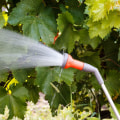
When it comes to garden maintenance, understanding the timing of watering is crucial for ensuring the health and vitality of your plants. The best time to water a garden can significantly impact not only the immediate hydration of your plants but also their long-term growth and resilience. Watering at the right time helps to maximize absorption, minimize evaporation, and reduce the risk of disease, making it a fundamental aspect of effective garden care. Many gardeners may not realize that the timing of watering can influence how well plants utilize water and nutrients. For instance, watering during the heat of the day can lead to rapid evaporation, leaving your plants thirsty and stressed.
Conversely, watering too late in the evening can create a damp environment that encourages fungal diseases. Therefore, establishing a consistent watering schedule that aligns with optimal times can make all the difference in maintaining a thriving garden. In this section, we will explore why timing matters in garden maintenance and how it affects plant health. By understanding these principles, you can make informed decisions about when to water your garden, ensuring that your plants receive the moisture they need without unnecessary waste or risk.
Factors Influencing Watering Time
When considering the best time to water a garden, several key factors come into play that can significantly influence your watering schedule. Understanding these factors can enhance your garden maintenance efforts and promote healthier plant growth.Climate Impact on Watering
The local climate is one of the most critical elements affecting when to water your garden.In hotter climates, early morning is often the ideal time to water, as temperatures are cooler and evaporation rates are lower. This allows plants to absorb moisture effectively before the heat of the day sets in. Conversely, in cooler or more humid climates, watering in the late afternoon or early evening may be more appropriate, as it helps prevent fungal diseases that can thrive in damp conditions overnight.
Soil Moisture Levels
Another important factor is the soil moisture level. Regularly checking the moisture content of your soil can guide your watering schedule.If the top inch of soil feels dry, it’s time to water. However, if the soil is still moist, it’s best to wait. Using a moisture meter can provide a more accurate reading and help you avoid overwatering, which can lead to root rot and other issues.
Plant Needs
Different plants have varying water requirements based on their species and growth stage. For instance, newly planted seedlings may need more frequent watering compared to established plants that have deeper root systems.Additionally, during flowering or fruiting stages, plants may require more water to support their growth. Understanding these needs will help you tailor your watering schedule accordingly.In summary, the best time to water your garden is influenced by climate conditions, soil moisture levels, and specific plant needs. By taking these factors into account, you can optimize your garden maintenance routine and ensure your plants thrive throughout the growing season.
Morning vs. Evening Watering: Pros and Cons
When it comes to garden maintenance, the timing of watering can significantly impact plant health and growth.Understanding the pros and cons of watering in the morning versus the evening can help you make an informed decision.
Benefits of Morning Watering
- Reduced Evaporation: Watering in the morning allows plants to absorb moisture before the sun heats up, minimizing evaporation losses.
- Fungal Prevention: Morning watering helps foliage dry out during the day, reducing the risk of fungal diseases that thrive in damp conditions.
- Optimal Nutrient Uptake: Plants are more active in the morning, making it an ideal time for them to take up water and nutrients efficiently.
Drawbacks of Evening Watering
- Increased Disease Risk: Watering in the evening can leave plants wet overnight, creating a favorable environment for mold and mildew.
- Pest Attraction: Damp conditions at night can attract pests, which may lead to infestations that harm your garden.
- Less Effective Absorption: As temperatures drop in the evening, plants may not absorb water as effectively, leading to potential overwatering issues.
How Weather Conditions Affect Watering Times
Understanding how weather conditions impact your garden's watering schedule is crucial for effective garden maintenance. Different factors such as humidity and temperature can significantly influence the best times to water your plants.Humidity Effects on Watering
Humidity plays a vital role in how much water your garden needs. On days with high humidity, plants lose less moisture through transpiration, meaning they require less frequent watering.Conversely, during low humidity days, the evaporation rate increases, and plants may need more water to stay hydrated. Therefore, it’s essential to monitor local humidity levels and adjust your watering schedule accordingly.
Temperature Considerations for Watering
The temperature of the air can also dictate when you should water your garden. In general, the best time to water is early in the morning or late in the afternoon when temperatures are cooler. This timing helps reduce evaporation and allows plants to absorb moisture more effectively.Watering during the hottest part of the day can lead to significant water loss due to evaporation, making it less efficient.
- Morning Watering: Ideal for cooler temperatures and lower wind speeds, allowing for better absorption.
- Afternoon Watering: Not recommended due to high evaporation rates; however, if necessary, ensure it’s done before 4 PM.
- Evening Watering: Can be effective but may lead to fungal diseases if foliage remains wet overnight.
Best Practices for Watering Your Garden
Effective garden maintenance hinges on understanding the best practices for watering your plants. Timing and technique play crucial roles in ensuring that your garden thrives.Optimal Watering Times
The best time to water your garden is early in the morning, ideally between 6 AM and 10 AM. During this period, temperatures are cooler, and winds are typically calmer, allowing for better absorption of water by the soil.Watering in the evening can also be effective, but it may lead to prolonged moisture on the leaves, increasing the risk of fungal diseases.
Watering Techniques
Utilizing efficient watering techniques can significantly enhance your garden maintenance efforts:- Drip Irrigation: This method delivers water directly to the roots of plants, minimizing evaporation and runoff.
- Soaker Hoses: These hoses allow water to seep out slowly along their length, providing consistent moisture to the soil.
- Hand Watering: While more labor-intensive, hand watering allows you to target specific plants and assess their needs closely.
Tips for Efficient Garden Watering
To maximize the effectiveness of your watering routine, consider these tips:- Check Soil Moisture: Before watering, check if the soil is dry a few inches down. Overwatering can be just as harmful as underwatering.
- Water Deeply: Aim for deep watering sessions rather than frequent shallow ones. This encourages roots to grow deeper into the soil.
- Avoid Watering on Windy Days: Wind can cause water to evaporate quickly or blow away from your plants, making your efforts less effective.
Common FAQs About Watering Gardens
Watering your garden effectively is crucial for maintaining healthy plants. Here are some common questions regarding garden maintenance and watering practices.How often should I water my garden?
The frequency of watering depends on several factors, including the type of plants, soil conditions, and weather.Generally, most gardens benefit from watering once a week, providing about 1 inch of water per week. However, during hot or dry spells, you may need to increase this to twice a week. Always check the soil moisture; if the top inch is dry, it’s time to water.
What are the signs of overwatering?
Overwatering can be just as harmful as underwatering. Look for these signs:- Yellowing leaves: This often indicates that roots are suffocating due to excess water.
- Mold or fungus: The presence of mold on the soil surface or fungal growth on plants can signal overwatering.
- Soggy soil: If the soil remains wet for extended periods, it may be time to cut back on watering.
What is the best time to water vegetables?
The ideal time to water your vegetable garden is in the early morning, between 6 AM and 10 AM.This allows plants to absorb moisture before the heat of the day causes evaporation. If morning watering isn’t possible, late afternoon is also acceptable, but avoid watering in the evening as it can lead to prolonged moisture on leaves, increasing the risk of disease.By understanding these aspects of garden maintenance, you can ensure your plants thrive and produce a bountiful harvest.
Conclusion: Finding Your Garden's Ideal Watering Schedule
In conclusion, determining the best time of day to water your garden is crucial for effective garden maintenance. Throughout this article, we have explored various factors that influence watering schedules, including temperature, humidity, and plant types. By understanding these elements, you can create a tailored watering routine that promotes healthy growth and conserves water.To summarize:- Early morning is often the ideal time to water, as it allows plants to absorb moisture before the heat of the day.
- Watering in the evening can also be effective, but it may lead to increased fungal diseases if foliage remains wet overnight.
- Consider your local climate and seasonal changes; adjusting your schedule accordingly can enhance your garden's resilience.
- Pay attention to soil moisture levels and plant needs; using a moisture meter can help you determine when watering is necessary.
Regularly assess your plants' health and adjust your routine as needed. By prioritizing the right timing for watering, you not only support your garden's vitality but also contribute to sustainable garden maintenance practices that benefit the environment.Remember, a well-watered garden is a thriving garden. With the right approach, you can ensure that your plants receive the hydration they need to flourish throughout the growing season.