Weeds are often considered the bane of any gardener's existence. These unwanted plants can take many forms, from dandelions and crabgrass to more invasive species like bindweed and thistle. Understanding what weeds are and how they thrive is crucial for effective garden maintenance. Weeds compete with your desired plants for essential resources such as sunlight, water, and nutrients, which can significantly hinder the growth and health of your garden. The impact of weeds extends beyond mere competition; they can also harbor pests and diseases that threaten your plants.
Some weeds produce seeds that can remain dormant in the soil for years, making them a persistent challenge for gardeners. This not only complicates garden maintenance but can also lead to increased labor and costs associated with controlling these invasive species. In light of these challenges, it becomes essential to explore effective weed control methods. While chemical herbicides are commonly used, many gardeners are turning to natural alternatives that are safer for the environment and promote a healthier ecosystem. By understanding the types of weeds present in your garden and their specific impacts, you can better strategize your approach to maintaining a thriving garden.
The Importance of Natural Weed Control Methods
Natural weed control methods are essential for sustainable gardening practices, as they promote a healthier ecosystem while minimizing the negative impact on the environment.Unlike chemical herbicides, which can leach into the soil and waterways, natural methods work in harmony with nature, enhancing soil health and biodiversity.One of the primary benefits of using natural weed control techniques is the reduction of chemical exposure. This is particularly important for families with children and pets, as well as for those who grow edible plants. By opting for organic solutions, gardeners can ensure that their produce is free from harmful residues.Additionally, natural methods often improve soil quality over time. Techniques such as mulching not only suppress weed growth but also retain moisture and add organic matter to the soil as they decompose.
This creates a more fertile environment for plants to thrive.
- Enhanced Biodiversity: Natural weed control encourages a diverse range of plants and insects, which can lead to a more resilient garden ecosystem.
- Cost-Effective: Many natural methods utilize readily available materials, reducing the need for expensive chemical treatments.
- Long-Term Solutions: By focusing on prevention through practices like crop rotation and companion planting, gardeners can create lasting solutions that minimize weed problems.
Mulching: A Barrier Against Weeds
Mulching is an effective technique for controlling weeds in your garden, acting as a physical barrier that prevents sunlight from reaching weed seeds. By blocking light, mulch inhibits the germination and growth of unwanted plants, allowing your desired flowers and vegetables to thrive.Types of Mulch
- Organic Mulch: This includes materials like wood chips, straw, grass clippings, and shredded leaves. As they decompose, they enrich the soil with nutrients.
- Inorganic Mulch: Options such as landscape fabric, plastic sheeting, or gravel do not decompose and can last for several years.
They are particularly useful in areas where you want to minimize maintenance.
- Living Mulch: Planting ground covers like clover or creeping thyme can suppress weeds while providing additional benefits such as erosion control and habitat for beneficial insects.
How to Mulch Effectively
To maximize the benefits of mulching, follow these tips:- Choose the Right Material: Select a mulch type that suits your garden's needs and aesthetic preferences.
- Apply at the Right Depth: Aim for a layer of 2 to 4 inches of mulch. Too little won’t effectively suppress weeds, while too much can suffocate plant roots.
- Avoid Mulching Too Close to Plants: Keep mulch a few inches away from the stems of plants to prevent rot and discourage pests.
- Replenish Regularly: Organic mulches break down over time, so it’s essential to add new layers annually to maintain their effectiveness.
Hand Weeding: The Traditional Approach
Hand weeding is a traditional approach to maintaining a healthy garden, allowing gardeners to remove unwanted plants without the use of chemicals. This method not only helps in controlling weeds but also promotes a more sustainable gardening practice.Hand Weeding Techniques
- Timing: The best time to hand weed is after a rain or watering, as the soil is softer and weeds are easier to pull out.
- Tools: Utilize simple tools like a hand trowel or weeding fork to help loosen the soil around the roots of the weeds.
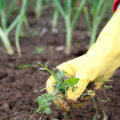
- Technique: Grasp the weed at its base and pull it out gently, ensuring that you remove the entire root to prevent regrowth.
Benefits of Hand Weeding
- Environmental Safety: Hand weeding eliminates the need for herbicides, making it a safer option for pets, children, and beneficial insects.
- Soil Health: This method allows for better aeration of the soil and reduces soil compaction, promoting healthier plant growth.
- Targeted Removal: Hand weeding enables gardeners to selectively remove weeds without disturbing nearby plants.
When to Hand Weed
The ideal time for hand weeding is during the early morning or late afternoon when temperatures are cooler. Regularly checking your garden for weeds, especially after rainfall, can help you stay ahead of weed growth.Additionally, hand weeding should be part of your routine garden maintenance schedule, ideally performed every few weeks during the growing season.In conclusion, while hand weeding may require more effort than other methods, its numerous benefits make it an invaluable technique for effective garden maintenance. By incorporating this traditional approach into your gardening routine, you can enjoy a healthier and more vibrant garden.
Using Boiling Water and Vinegar as Natural Herbicides
When it comes to garden maintenance, using natural methods to control weeds can be both effective and environmentally friendly. Two popular options are boiling water and vinegar, both of which serve as potent natural herbicides.Boiling Water for Weed Control
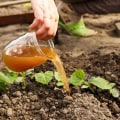
One of the simplest methods to eliminate unwanted weeds is by pouring boiling water directly onto them. This method works by cooking the plant tissues, leading to their quick demise.Here are some tips for effective application:
- Choose the right time: Apply boiling water on a sunny day when the weeds are actively growing for maximum effectiveness.
- Aim carefully: Use a kettle or a pot with a spout to direct the hot water precisely onto the weeds, avoiding any desirable plants nearby.
- Repeat as necessary: Some tougher weeds may require multiple applications to fully eradicate.
Vinegar as a Natural Herbicide
Vinegar, particularly white vinegar with a high acetic acid concentration (at least 10-20%), can also be an effective weed killer. The acetic acid in vinegar draws moisture out of the plants, causing them to dry up and die. Here’s how to use vinegar effectively:- Spray on sunny days: For best results, apply vinegar on a warm, sunny day when the temperature is above 70°F. This enhances its effectiveness.
- Avoid desirable plants: Use a spray bottle for targeted application, ensuring you don’t accidentally harm your garden plants.
- Consider concentration: For tougher weeds, consider using a higher concentration of vinegar or mixing it with salt for added potency.
However, both boiling water and vinegar offer safe alternatives to chemical herbicides, making them excellent choices for those focused on sustainable garden maintenance.
Companion Planting: Nature’s Defense Against Weeds
One of the most effective and natural methods for garden maintenance is companion planting. This technique involves strategically placing certain plants together to enhance growth, deter pests, and, importantly, suppress weed growth. By understanding the relationships between different plant species, gardeners can create a more resilient ecosystem that minimizes the need for chemical herbicides.How Companion Planting Helps Control Weeds
- Ground Cover Plants: Low-growing plants such as clover or creeping thyme can act as living mulch. They cover the soil, blocking sunlight from reaching weed seeds and preventing their germination.
- Dense Planting: By planting crops closely together, you create competition for resources.
This crowding can limit the space available for weeds to grow, effectively reducing their presence.
- Allelopathic Plants: Some plants, like black walnut or certain varieties of marigolds, release natural chemicals that inhibit the growth of nearby weeds. Incorporating these into your garden can provide a natural barrier against unwanted flora.
Beneficial Plants to Consider
- Basil: Not only does it repel pests like aphids and mosquitoes, but it also helps suppress weeds when planted alongside tomatoes.
- Nasturtiums: These vibrant flowers attract beneficial insects while their broad leaves shade the soil, making it difficult for weeds to thrive.
- Radishes: Planting radishes can help break up compacted soil and create space for other plants while their foliage provides shade that deters weed growth.
Cover Crops: Preventing Weeds Before They Start
One of the most effective strategies for garden maintenance is the use of cover crops. These plants are grown primarily to cover the soil rather than for harvest, and they play a crucial role in preventing weeds from taking root.By establishing a dense canopy, cover crops can outcompete weeds for sunlight, nutrients, and water, significantly reducing their growth.
Benefits of Cover Crops
- Weed Suppression: Cover crops create a physical barrier that inhibits weed seed germination and growth.
- Soil Health: They improve soil structure and fertility by adding organic matter when tilled under.
- Erosion Control: The roots of cover crops help hold the soil in place, preventing erosion during heavy rains.
- Pest Management: Certain cover crops can attract beneficial insects that help control pest populations.
Types of Cover Crops
Choosing the right cover crop depends on your specific garden needs and climate. Here are some popular options:
- Clover: A nitrogen-fixing legume that enriches the soil while suppressing weeds.
- Rye: A hardy winter cover crop that grows quickly and provides excellent weed suppression.
- Vetch: Another legume that not only suppresses weeds but also improves soil fertility.
- Sorghum-Sudangrass: Ideal for warm climates, this cover crop grows rapidly and can smother weeds effectively.
Maintaining Healthy Soil: The Foundation of Weed Control
Maintaining healthy soil is crucial for effective garden maintenance and serves as a natural barrier against weed growth. Weeds thrive in poor soil conditions, where they can easily outcompete desired plants for nutrients and water. By focusing on improving soil quality, gardeners can create an environment that discourages weed proliferation.Understanding Soil Health
- Soil Structure: Healthy soil has a well-structured composition that allows for proper aeration and drainage.
This structure supports beneficial microorganisms that contribute to nutrient cycling.
- Nutrient Balance: Regularly testing soil pH and nutrient levels can help identify deficiencies. Adding organic matter, such as compost or well-rotted manure, can enhance nutrient availability and improve overall soil health.
- Moisture Retention: Healthy soil retains moisture better, reducing the need for frequent watering. This not only benefits your plants but also limits the conditions that favor weed growth.
Tips for Improving Soil Quality
- Add Organic Matter: Incorporate compost or mulch into your garden beds to enrich the soil. This not only provides nutrients but also helps suppress weeds by blocking sunlight.
- Practice Crop Rotation: Rotating crops each season can prevent the buildup of weed seeds and disrupt their life cycles, leading to fewer weeds in subsequent years.
- Cover Crops: Planting cover crops during the off-season can protect the soil from erosion, improve its structure, and outcompete weeds for resources.
- Avoid Soil Compaction: Limit foot traffic in garden areas to maintain soil structure.
Compacted soil can hinder root growth and create favorable conditions for weeds.
FAQs About Natural Weed Control in Gardens
When it comes to natural weed control in gardens, many gardeners have questions about the effectiveness and methods available. Here are some frequently asked questions that can help clarify common concerns:What are the most effective natural methods for controlling weeds?
Some of the most effective natural methods include:- Mulching: Applying a thick layer of organic mulch, such as straw or wood chips, can suppress weed growth by blocking sunlight.
- Hand Weeding: Regularly pulling weeds by hand, especially before they seed, is a simple yet effective way to keep your garden clean.
- Boiling Water: Pouring boiling water directly onto weeds can kill them instantly without harming the surrounding plants.
- Vinegar: A solution of vinegar can be sprayed on weeds to desiccate them, but care should be taken to avoid desirable plants.
How does natural weed control compare to chemical methods?
Natural weed control methods are generally safer for the environment and beneficial insects. Unlike chemical herbicides, which can have harmful side effects on soil health and biodiversity, natural methods promote a healthier ecosystem.However, they may require more time and effort to implement effectively.
What are some best practices for maintaining a weed-free garden?
To maintain a weed-free garden using natural methods, consider the following best practices:- Regular Maintenance: Schedule regular garden maintenance to check for and remove weeds before they spread.
- Diverse Planting: Planting a variety of species can outcompete weeds for resources and reduce their prevalence.
- Soil Health: Improve soil health through composting and organic amendments, which can enhance plant growth and suppress weeds.
- Cover Crops: Use cover crops during off-seasons to prevent weed establishment and improve soil structure.
Conclusion: Embracing Natural Methods for Sustainable Garden Maintenance
In conclusion, adopting natural methods for controlling weeds is not only beneficial for the health of your garden but also essential for sustainable garden maintenance. By utilizing organic techniques, you can create a thriving ecosystem that supports plant growth while minimizing the use of harmful chemicals.Throughout this article, we explored various effective strategies such as:- Mulching: Applying organic materials like straw or wood chips to suppress weed growth and retain soil moisture.
- Hand Weeding: Regularly removing weeds by hand can prevent them from seeding and spreading.
- Companion Planting: Planting certain species together can naturally deter weeds and promote healthy growth.
- Boiling Water: Pouring boiling water on weeds is a simple yet effective method to eliminate them without chemicals.
- Vinegar Solutions: Using vinegar as a natural herbicide can help control stubborn weeds.
Start implementing these strategies today and watch your garden thrive in harmony with its surroundings.