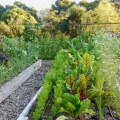
Mulch is a versatile material that plays a crucial role in garden maintenance. Defined as any organic or inorganic substance spread over the soil surface, mulch serves multiple purposes that contribute to the overall health and aesthetics of a garden. From shredded bark and wood chips to straw and grass clippings, the type of mulch you choose can significantly impact your garden's performance. Understanding what mulch is and how it functions is essential for any gardener looking to enhance their outdoor space. The benefits of mulch extend far beyond mere decoration.
One of its primary functions is to retain soil moisture, which is vital for plant health, especially during dry spells. By reducing evaporation, mulch helps maintain consistent soil moisture levels, allowing plants to thrive without the constant need for watering. Additionally, mulch acts as a barrier against weeds, suppressing their growth and reducing competition for nutrients and water. This not only saves time on weeding but also promotes a healthier garden ecosystem. Moreover, mulch contributes to soil health by breaking down over time and adding organic matter back into the soil.
This process enriches the soil with essential nutrients, fostering a thriving environment for beneficial microorganisms and earthworms. As you delve deeper into the world of garden maintenance, you'll discover that incorporating mulch into your gardening routine can lead to more vibrant plants, reduced maintenance efforts, and an overall more sustainable garden.
Types of Mulch: Choosing the Right One for Your Garden
When it comes to garden maintenance, selecting the right type of mulch is crucial for promoting healthy plant growth and reducing upkeep. Mulch can be broadly categorized into two types: organic and inorganic.Organic Mulch
Organic mulches are derived from natural materials and decompose over time, enriching the soil as they break down. Common types include:- Bark Mulch: Made from shredded tree bark, it provides a natural look and helps retain moisture.
- Wood Chips: These are larger than bark and can last longer, making them ideal for pathways.
- Straw: A lightweight option that suppresses weeds effectively while adding nutrients to the soil.
- Grass Clippings: Readily available and rich in nitrogen, they can be used around plants but should be applied in thin layers to avoid matting.
- Compost: Not only does it suppress weeds, but it also improves soil structure and fertility.
Inorganic Mulch
In contrast, inorganic mulches do not decompose and can last for several years.They include:
- Rubber Mulch: Made from recycled tires, it is durable and effective at weed suppression but does not improve soil quality.
- Gravel or Stone: Ideal for pathways and decorative areas, these materials provide excellent drainage but can heat up quickly in the sun.
- Landscape Fabric: While not a traditional mulch, it acts as a barrier to weeds while allowing water and nutrients to penetrate.
How to Apply Mulch Effectively
Applying mulch effectively is crucial for enhancing garden maintenance and ensuring your plants thrive. Here’s a step-by-step guide to help you achieve the best results.- Choose the Right Type of Mulch: Depending on your garden's needs, select organic mulches like wood chips, straw, or grass clippings, or inorganic options like gravel or rubber.
Organic mulches improve soil quality as they decompose, while inorganic mulches provide long-lasting coverage.
- Prepare the Area: Before applying mulch, clear the area of weeds, rocks, and debris. This ensures that the mulch can effectively suppress weeds and retain moisture.
- Determine the Depth: A depth of 2 to 4 inches is generally recommended for most types of mulch. Too little won’t provide adequate benefits, while too much can suffocate plant roots. For example, use 2 inches for smaller plants and up to 4 inches for larger shrubs.
- Apply Evenly: Spread the mulch evenly around your plants, keeping it a few inches away from the stems and trunks to prevent rot and pest issues.
This also allows for proper air circulation.
- Water After Application: Once the mulch is in place, water it lightly. This helps settle the mulch and ensures it adheres to the soil beneath, enhancing moisture retention.
The Benefits of Using Mulch for Garden Maintenance
Using mulch in your garden maintenance routine offers a multitude of benefits that can significantly enhance the health and appearance of your garden.Here are some key advantages:
- Moisture Retention: One of the primary benefits of mulch is its ability to retain soil moisture. By covering the soil, mulch reduces evaporation, ensuring that your plants have consistent access to water, especially during hot summer months.
- Weed Suppression: Mulch acts as a barrier that inhibits weed growth. By blocking sunlight from reaching weed seeds, it minimizes their ability to germinate and compete with your plants for nutrients and water.
- Temperature Regulation: Mulch helps to regulate soil temperature, keeping it cooler in the summer and warmer in the winter. This temperature moderation creates a more stable environment for plant roots, promoting healthier growth.
- Soil Improvement: Organic mulches, such as wood chips or straw, break down over time, enriching the soil with nutrients.
This process enhances soil structure and fertility, leading to improved plant health.
- Aesthetic Appeal: Beyond its functional benefits, mulch can also enhance the visual appeal of your garden. Available in various colors and textures, it can complement your landscape design while providing a polished look.
Common Mistakes to Avoid When Using Mulch
Using mulch can significantly enhance garden maintenance, but many gardeners fall into common traps that can undermine its benefits. Here are some frequent mistakes to avoid:- Applying Too Much Mulch: One of the most prevalent errors is over-mulching.
A thick layer of mulch can suffocate plant roots and prevent water from reaching the soil. Aim for a depth of 2 to 4 inches, depending on the type of mulch used.
- Choosing the Wrong Type of Mulch: Not all mulches are created equal. Organic mulches, like wood chips or straw, decompose over time and enrich the soil, while inorganic options, such as rubber or gravel, do not. Select a mulch that aligns with your garden's needs.
- Ignoring Weeds: While mulch helps suppress weeds, it’s not a foolproof solution.
Weeds can still emerge if they are not adequately managed. Regularly check for and remove any weeds that break through the mulch layer.
- Mulching Too Close to Plant Stems: Placing mulch directly against plant stems can lead to rot and attract pests. Maintain a small gap around the base of plants to promote airflow and prevent moisture buildup.
- Neglecting to Refresh Mulch: Over time, mulch breaks down and loses its effectiveness. Regularly replenish your mulch layer to ensure it continues to provide benefits such as moisture retention and weed suppression.
Mulch and Seasonal Garden Maintenance: A Year-Round Strategy
Incorporating mulch into your seasonal garden maintenance routine is essential for promoting plant health and reducing the workload throughout the year.Here’s how to effectively use mulch as part of your garden care strategy.
Spring: Refreshing Your Mulch
As the growing season begins, it’s crucial to assess your existing mulch layer. Over winter, mulch can break down or be displaced by wind and rain. In early spring, consider:- Removing old mulch: Clear away any decomposed material to prevent fungal growth.
- Applying a fresh layer: Add 2-3 inches of new mulch around your plants to retain moisture and suppress weeds.
Summer: Maintaining Moisture
During the hot summer months, mulch plays a vital role in conserving soil moisture. To ensure your garden thrives:- Check moisture levels: Regularly inspect the soil beneath the mulch; if it feels dry, consider adding more mulch.
- Replenish as needed: If you notice significant settling or erosion, top off your mulch layer to maintain its effectiveness.
Fall: Preparing for Winter
As temperatures drop, mulching becomes even more critical.In the fall, focus on:
- Insulating plants: Apply a thicker layer of mulch (up to 4 inches) around perennials and shrubs to protect roots from freezing temperatures.
- Preventing erosion: Ensure that your mulch is well-distributed to prevent soil erosion during heavy rains.
Winter: Protecting Your Garden
While winter may seem like a dormant season, maintaining your mulch is still important. Consider:- Monitoring for displacement: Check periodically for any areas where mulch has been blown away or washed out.
- Avoiding compaction: Steer clear of walking on mulched areas to prevent soil compaction, which can hinder root growth come spring.
Frequently Asked Questions About Mulch and Garden Maintenance
When it comes to garden maintenance, many gardeners have questions about the use of mulch. Here are some frequently asked questions that can help clarify its benefits and applications.What types of mulch are best for garden maintenance?
There are two main categories of mulch: organic and inorganic. Organic mulches, such as wood chips, straw, and grass clippings, decompose over time, enriching the soil with nutrients.Inorganic mulches, like gravel or landscape fabric, do not decompose but can help with weed control and moisture retention. Choosing the right type depends on your specific garden needs.
How does mulch help with weed control?
One of the primary benefits of using mulch in garden maintenance is its ability to suppress weeds. By covering the soil, mulch blocks sunlight from reaching weed seeds, preventing them from germinating. A layer of 2-4 inches is generally recommended for effective weed suppression.Can mulch improve soil health?
Yes! Organic mulches break down over time, adding essential nutrients back into the soil.This process enhances soil structure, promotes beneficial microbial activity, and improves moisture retention. As a result, your plants can thrive better in a nutrient-rich environment.
How often should I replace my mulch?
The frequency of replacing mulch depends on the type used and environmental conditions. Organic mulches typically need to be replenished every year or two as they decompose. In contrast, inorganic mulches may last longer but should still be checked regularly for effectiveness.Is there a best time to apply mulch?
The ideal time to apply mulch is in the spring after the soil has warmed up or in the fall before winter sets in.Applying it at these times helps regulate soil temperature and moisture levels, providing optimal conditions for plant growth.By addressing these common questions about mulch, gardeners can make informed decisions that enhance their garden maintenance practices and promote healthier plants.
Conclusion: Enhancing Your Garden with Mulch for Optimal Maintenance
In conclusion, utilizing mulch in your garden is a powerful strategy for achieving optimal garden maintenance. By implementing the various types of mulch discussed, you can significantly enhance the health and appearance of your garden. Mulch serves multiple purposes that contribute to the overall well-being of your plants. It helps retain soil moisture, suppresses weed growth, and regulates soil temperature, creating a more stable environment for your plants to thrive. Additionally, organic mulches can improve soil fertility as they decompose, enriching the soil with essential nutrients. Here are some key takeaways on how mulch can enhance your garden maintenance:- Moisture Retention: Mulch acts as a barrier that reduces evaporation, ensuring that your plants receive adequate water.
- Weed Control: A thick layer of mulch can prevent weeds from germinating, reducing the need for manual weeding and herbicides.
- Soil Temperature Regulation: Mulch helps keep the soil cooler in summer and warmer in winter, promoting healthy root development.
- Aesthetic Appeal: Different types of mulch can enhance the visual appeal of your garden, providing a polished and well-maintained look.
Whether you choose organic or inorganic options, the benefits of mulch are undeniable. Start mulching today to enjoy a flourishing garden that requires less effort and yields greater rewards.