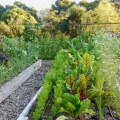
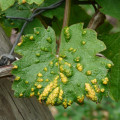
Maintaining a garden is not just about aesthetics; it plays a crucial role in the overall health and vitality of your plants.
Garden maintenance
encompasses a variety of practices that ensure your garden thrives throughout the seasons. From regular watering and weeding to the application of compost, each task contributes to creating an environment where plants can flourish. Understanding the importance of garden care is essential for both novice and experienced gardeners alike. The benefits of maintaining a garden extend beyond mere visual appeal.A well-maintained garden can enhance biodiversity, attract beneficial insects, and improve soil health. Regular maintenance activities, such as pruning and mulching, help prevent diseases and pests from taking hold, ensuring that your plants remain robust and productive. Moreover, a garden that is cared for properly can provide a sustainable source of food, beauty, and relaxation for you and your family. Incorporating practices like composting into your garden maintenance routine not only enriches the soil but also promotes eco-friendly gardening. By recycling organic waste into nutrient-rich compost, you contribute to a healthier ecosystem while reducing landfill waste.
This holistic approach to garden care not only supports plant growth but also fosters a deeper connection with nature, making every gardening effort worthwhile.
What is Compost?
Compost is a nutrient-rich organic material that results from the natural decomposition of plant and animal matter. It serves as a vital component in sustainable gardening and is essential for garden maintenance. By enriching the soil, compost improves its structure, enhances moisture retention, and provides essential nutrients to plants.The composition of compost typically includes a mix of green materials (such as fruit scraps, grass clippings, and vegetable peels) and brown materials (like dried leaves, straw, and cardboard). This balance is crucial for effective decomposition.The green materials are high in nitrogen, while the brown materials provide carbon, creating an ideal environment for microorganisms to thrive.
Types of Compost
- Hot Compost: This method involves maintaining high temperatures through active aeration and frequent turning. It decomposes organic matter quickly, usually within a few weeks.
- Cold Compost: A slower process that requires less effort. Organic materials are layered in a pile and left to decompose naturally over several months to years.
- Vermicompost: Created using worms, this type of compost is rich in nutrients and beneficial microorganisms. It’s particularly effective for indoor gardening.
- Bokashi: A fermentation process that uses specific microorganisms to break down organic waste.
This method can handle meat and dairy products that traditional composting cannot.
The Composting Process
The composting process involves several stages:- Collection: Gather organic waste from your kitchen and garden.
- Layering: Alternate layers of green and brown materials to create a balanced mix.
- Aeration: Turn the pile regularly to introduce oxygen, which accelerates decomposition.
- Maturation: Allow the compost to mature for several weeks or months until it resembles dark, crumbly soil.
Benefits of Using Compost in Garden Maintenance
Using compost in garden maintenance offers a multitude of benefits that can significantly enhance the health and productivity of your garden. Here are some key advantages:- Improves Soil Health: Compost enriches the soil with essential nutrients, promoting a balanced ecosystem. It enhances soil structure, allowing for better aeration and drainage, which is crucial for root development.
- Enhances Plant Growth: The organic matter in compost provides a slow-release source of nutrients, ensuring that plants receive a steady supply of food.
This leads to stronger, healthier plants that are more resilient to pests and diseases.
- Increases Water Retention: Compost helps soil retain moisture, reducing the need for frequent watering. This is particularly beneficial in dry climates or during hot summer months.
- Reduces Waste: By recycling kitchen scraps and yard waste into compost, gardeners can significantly reduce the amount of organic waste sent to landfills. This not only benefits the environment but also provides a sustainable resource for garden maintenance.
- Encourages Beneficial Microorganisms: Compost is teeming with beneficial bacteria and fungi that help break down organic matter and improve nutrient availability. These microorganisms play a vital role in maintaining soil health.
By understanding the benefits of compost, gardeners can make informed decisions that lead to thriving gardens and healthier ecosystems.
How to Incorporate Compost into Your Garden Maintenance Routine
Incorporating compost into your garden maintenance routine can significantly enhance soil health and plant growth. Here are some effective methods to use compost in your garden care:- Top Dressing: Spread a layer of compost on the surface of your garden beds. This method not only improves soil structure but also provides nutrients directly to the plants as it breaks down.
- Soil Amendment: Before planting, mix compost into the soil to improve its texture and fertility. This is particularly beneficial for sandy or clay soils, helping them retain moisture and nutrients.
- Compost Tea: Brew compost tea by steeping compost in water for a few days.
Use this nutrient-rich liquid to water your plants, giving them an extra boost of nutrients.
- Mulching: Use compost as mulch around your plants. This helps retain moisture, suppress weeds, and gradually adds nutrients to the soil as it decomposes.
- Timing: Apply compost in early spring or fall to prepare your garden for the growing season or to replenish nutrients after harvest.
- Quantity: A thin layer (about 1-2 inches) is usually sufficient for top dressing. For soil amendment, mix in about 25% compost with existing soil.
- Quality: Ensure that the compost is well-aged and free from pathogens or weed seeds to avoid introducing problems into your garden.
Different Methods of Applying Compost
Applying compost in your garden is a vital aspect of garden maintenance that can significantly enhance soil health and plant growth. There are several effective methods for incorporating compost into your gardening routine.Top Dressing with Compost
One of the simplest ways to use compost is through top dressing.This method involves spreading a layer of compost on the surface of the soil around your plants. Here’s how to do it:
- Choose the Right Time: Apply top dressing in early spring or fall when plants are actively growing.
- Layer Thickness: Aim for a layer that is about 1 to 2 inches thick, ensuring it doesn’t smother the plants.
- Watering: After application, water the area lightly to help the compost settle and begin integrating with the soil.
Mixing Compost into Soil
Another effective method is to mix compost directly into the soil. This approach is particularly beneficial when preparing new garden beds or revitalizing existing ones. Follow these steps:- Soil Preparation: Before planting, loosen the soil using a garden fork or tiller.
- Incorporate Compost: Mix in compost at a ratio of about 1 part compost to 3 parts soil.
This ensures that nutrients are evenly distributed.
- Testing Soil pH: Consider testing your soil’s pH before mixing in compost, as this can help you determine if additional amendments are needed.
Compost Tea: A Liquid Gold for Your Garden
Compost tea is a nutrient-rich liquid produced by steeping compost in water, creating a powerful organic fertilizer that can significantly enhance garden maintenance. This liquid gold is packed with beneficial microorganisms, nutrients, and enzymes that promote healthy plant growth.What is Compost Tea?
Essentially, compost tea is a fermented solution made from high-quality compost. The process involves soaking compost in water for a period of time, allowing the nutrients and beneficial microbes to leach into the water. The result is a dark, nutrient-dense liquid that can be used to nourish plants and improve soil health.Benefits of Compost Tea
- Enhances Soil Fertility: Compost tea adds essential nutrients back into the soil, promoting robust plant growth.
- Improves Plant Health: The beneficial microorganisms in compost tea help suppress diseases and pests, leading to healthier plants.
- Boosts Microbial Activity: Applying compost tea increases the microbial population in the soil, which is crucial for nutrient cycling.
- Easy Application: It can be applied directly to the soil or as a foliar spray, making it versatile for various gardening needs.
How to Make Compost Tea
Making compost tea is simple and requires minimal materials.Here’s a straightforward method:
- Gather Materials: You will need high-quality compost, a bucket or container, water (preferably non-chlorinated), and an aeration device like an aquarium pump (optional).
- Add Compost: Fill the container with about one part compost to five parts water.
- Aerate (Optional): If using an aeration device, let the mixture bubble for 24-48 hours. This helps increase microbial activity.
- Strain the Mixture: After steeping, strain out the solid compost using a fine mesh or cloth.
- Application: Dilute the tea with more water if necessary and apply it to your garden plants or soil.
Common Mistakes to Avoid When Using Compost
Using compost in your garden can significantly enhance soil health and plant growth, but there are several common mistakes that gardeners often make. Recognizing these errors can help you maximize the benefits of compost while avoiding potential pitfalls.- Using Incomplete Compost: One of the most frequent mistakes is applying compost that hasn't fully decomposed. Incomplete compost can introduce pathogens and weed seeds into your garden.
To avoid this, ensure your compost has a dark, crumbly texture and a pleasant earthy smell before using it.
- Overloading with Nitrogen: Adding too many nitrogen-rich materials, such as grass clippings or food scraps, can lead to a compost pile that smells bad and attracts pests. Balance your compost by incorporating carbon-rich materials like dried leaves or straw to maintain a healthy carbon-to-nitrogen ratio.
- Ignoring pH Levels: Compost can affect the pH of your soil. If you use too much acidic compost, it may lower the pH excessively, harming plants that prefer neutral or alkaline conditions. Test your soil's pH regularly and adjust your compost application accordingly.
- Neglecting to Aerate: A common error is failing to aerate the compost pile.
Without proper aeration, the composting process slows down, leading to unpleasant odors and poor-quality compost. Turn your pile every few weeks to introduce oxygen and speed up decomposition.
- Applying Too Much Compost: While compost is beneficial, over-application can lead to nutrient imbalances and water retention issues. A thin layer of 1-2 inches is usually sufficient for top dressing or mixing into garden beds.
Frequently Asked Questions About Compost and Garden Maintenance
When it comes to garden maintenance, many gardeners have questions about the role of compost.Here are some frequently asked questions that can help clarify how compost can be effectively used in your gardening practices.
What is compost and why is it important for garden maintenance?
Compost is a nutrient-rich organic material created from decomposed plant and food waste. It plays a crucial role in garden maintenance by improving soil structure, enhancing moisture retention, and providing essential nutrients to plants. By incorporating compost into your garden, you can promote healthier plant growth and reduce the need for chemical fertilizers.How often should I apply compost to my garden?
The frequency of compost application depends on your garden's needs and the type of plants you are growing. Generally, it is recommended to add a layer of compost at least once a year, ideally in the spring or fall.For vegetable gardens, you may want to apply compost more frequently, such as every few months, to ensure optimal nutrient availability.
Can I use compost for all types of plants?
Yes, compost is beneficial for a wide variety of plants, including flowers, vegetables, and shrubs. However, it's important to consider the specific needs of different plants. Some may require more nutrients than others, so adjusting the amount of compost based on plant type can enhance their growth.Is there a difference between homemade compost and store-bought compost?
Homemade compost allows you to control the ingredients and ensure that it is free from chemicals. It can be tailored to meet the specific needs of your garden.On the other hand, store-bought compost is often more consistent in quality and may contain additional nutrients or amendments. Both types can be effective for garden maintenance, so choose based on your preferences and gardening goals.
How do I know if my compost is ready to use?
A good indicator that your compost is ready for use is its dark brown color and crumbly texture. It should smell earthy rather than foul. If you see recognizable food scraps or large pieces of material, it likely needs more time to decompose.By addressing these common questions about compost, you can make informed decisions that enhance your garden maintenance efforts and contribute to a thriving garden ecosystem.Conclusion: Embracing Compost for a Thriving Garden
In conclusion, incorporating compost into your garden maintenance routine is not just beneficial; it is essential for fostering a healthy and vibrant garden.Throughout this article, we have explored the myriad ways compost enhances soil quality, promotes plant health, and contributes to sustainable gardening practices.By enriching the soil with organic matter, compost improves its structure, increases moisture retention, and provides essential nutrients that plants need to thrive. This natural amendment not only supports the growth of flowers and vegetables but also helps in suppressing weeds and reducing the need for chemical fertilizers.Here are some key takeaways on how compost can be effectively utilized for garden maintenance:
- Soil Enrichment: Regularly adding compost to your garden beds boosts nutrient levels and enhances microbial activity.
- Moisture Retention: Compost helps retain moisture in the soil, reducing the frequency of watering and promoting healthier root systems.
- Pest and Disease Resistance: A healthy soil ecosystem supported by compost can lead to stronger plants that are more resistant to pests and diseases.
- Sustainability: Using compost reduces waste and promotes a circular economy by recycling organic materials back into the earth.