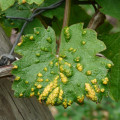
Many homeowners focus on chemical treatments, traps, or extermination services when trying to control pests, but effective pest prevention often begins with something much simpler: proper garden maintenance. The condition of outdoor landscaping directly affects whether insects, rodents, and other pests are attracted to a property in the first place. Overgrown vegetation, standing water, decaying organic material, and poorly maintained garden areas create ideal environments for pests to hide, breed, and search for food. Gardens that are neglected for long periods frequently provide shelter and moisture that encourage pest activity near the home. Pest control professionals regularly explain that reducing environmental attractants outdoors is one of the most effective ways to minimize infestations before they spread indoors. By maintaining cleaner and healthier garden spaces, homeowners can create outdoor conditions that naturally discourage unwanted pests from settling around the property.
Overgrown Landscaping Creates Shelter for Pests
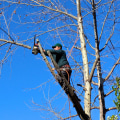
One of the biggest reasons garden maintenance affects pest activity is because overgrown plants and unmanaged landscaping create hidden shelter areas for insects and rodents. Thick shrubs, tall grass, dense mulch, and cluttered planting beds provide cool, protected environments where pests can remain undetected during the day. Rodents often travel beneath overgrown vegetation to avoid predators, while insects such as ants, cockroaches, mosquitoes, and termites thrive in damp organic environments close to the soil. Fallen branches, leaf piles, and neglected flower beds may also trap moisture and encourage decomposition that attracts additional pest activity. Routine trimming, pruning, and debris removal help improve airflow and sunlight exposure throughout the garden, making outdoor spaces less inviting to pests seeking dark or damp conditions. Well-maintained landscaping also allows homeowners to identify early signs of pest problems before infestations become more serious.
Water Management Is Essential for Pest Control
Poor water management in gardens is another major factor contributing to pest problems around residential properties. Standing water from clogged drainage areas, overwatering, or poorly maintained irrigation systems creates ideal breeding conditions for mosquitoes and other insects. Excess moisture may also soften soil and encourage termites or rodents to establish nests near foundations and garden structures. Garden maintenance practices such as proper drainage, soil management, and controlled irrigation help reduce these risks significantly. Keeping gutters clear, preventing water pooling, and regularly monitoring irrigation systems all contribute to creating a healthier outdoor environment that is less attractive to pests. Landscaping professionals frequently remind homeowners that many pest problems begin outside long before insects or rodents enter the home itself.
Proper Equipment Helps Maintain Healthier Outdoor Spaces
Maintaining gardens consistently often requires reliable outdoor equipment capable of handling trimming, mowing, pruning, and debris cleanup efficiently. Overgrown landscapes can become difficult to manage without the proper tools, especially on larger properties or during seasonal growth periods. Homeowners and landscaping crews often rely on dependable outdoor equipment providers for support with routine maintenance and seasonal property care. Businesses may encourage property owners to visit our store, Umatilla Saw & Mower LLC, chainsaw and mower store in Florida when preparing for larger landscaping projects or upgrading maintenance equipment needed to keep outdoor spaces under control. Properly maintained tools help ensure gardens remain cleaner, more accessible, and easier to inspect for potential pest concerns throughout the year.
Preventative Maintenance Supports Long-Term Pest Reduction
Long-term pest prevention is most effective when homeowners focus on reducing the environmental conditions pests depend on rather than only reacting after infestations occur. Regular garden maintenance helps eliminate hiding places, improve drainage, reduce moisture buildup, and keep vegetation healthier overall. Clean and organized outdoor spaces are far less attractive to insects and rodents seeking shelter, food, and water sources. By combining routine landscaping care with preventative property maintenance, homeowners can reduce the likelihood of recurring pest problems while also improving curb appeal and protecting the long-term condition of their property.